
Taste
Plant Parts Used
Therapeutic Properties
Galactofuge, Aromatic, Antimicrobial, Antispasmodic, Astringent, Carminative, Diaphoretic, Expectorant & Nervine
Ayurvedic Character
Heating
Current Uses
Sage is one of those herbs that quietly shows up everywhere once you start paying attention. In the beverage world, you will mostly encounter it as a supporting aromatic in herbal liqueurs, alpine-style amari, and certain gins. Its resinous, savory aroma plays especially well with citrus peel, wormwood, juniper, and other Mediterranean herbs. A quick infusion of fresh sage leaves in neutral spirit or gin can add a warm, slightly camphoraceous depth to cocktails, and bartenders often use it in tinctures, syrups, or simple spirit macerations for savory drinks. If you have ever sipped an alpine liqueur and noticed a piney, almost culinary herb note, sage is often part of that chorus.
Beyond flavor, sage carries a long reputation as a digestive herb. Herbalists have traditionally used it to stimulate digestion, calm intestinal discomfort, and reduce excessive perspiration. Modern herbal practice still values sage for its astringent and antimicrobial qualities, which is why you often see it in gargles, teas, and herbal tonics. While most drinkers experience sage simply as a savory aromatic, its presence in bitter and herbal spirits historically reflected its reputation as a strengthening, stomach-settling plant.¹
Precautions
Sage is generally safe in culinary and beverage quantities. However, the essential oil contains thujone, a compound that can be neurotoxic in very high concentrations. Concentrated essential oil preparations should be used cautiously and are not appropriate for ingestion without professional guidance. Large medicinal doses are traditionally avoided during pregnancy and breastfeeding.²
Substitutions
If sage is unavailable, marjoram offers a softer, sweeter herbal aroma that can replace sage in lighter infusions. Rosemary provides a stronger, more resinous Mediterranean character and works well when a sharper herbal edge is desired. Thyme can also substitute when you need an earthy, savory herbal tone, though it lacks sage’s distinctive camphoraceous note.
History
Origins
Sage has been prized since antiquity, particularly in the Mediterranean world where the plant is native. The Greeks and Romans regarded it as both a culinary herb and a medicinal powerhouse. The Roman naturalist Pliny the Elder described sage as a plant used for digestive complaints, memory, and general vitality, and the Latin name Salvia derives from the verb salvare, meaning “to save” or “to heal.” Early herbal traditions treated sage almost as a universal remedy.¹
During the Middle Ages, sage became a staple of European monastery gardens and medical herbals. Medieval physicians valued it for strengthening the body, improving memory, and supporting digestion. The herb spread throughout Europe with trade and cultivation, becoming firmly rooted in both kitchen and apothecary traditions. Its enduring reputation is captured in an old proverb often quoted in herbals: “Why should a man die whilst sage grows in his garden?” While clearly exaggerated, the saying reflects the plant’s long-standing reputation as a restorative herb.³
Footnotes
-
Dioscorides, Pedanius. De Materia Medica. Translated by Lily Y. Beck, Olms-Weidmann, 2005.
-
World Health Organization. WHO Monographs on Selected Medicinal Plants, Volume 1. World Health Organization, 1999.
-
Pliny the Elder. Natural History. Translated by H. Rackham, Harvard University Press, 1938.
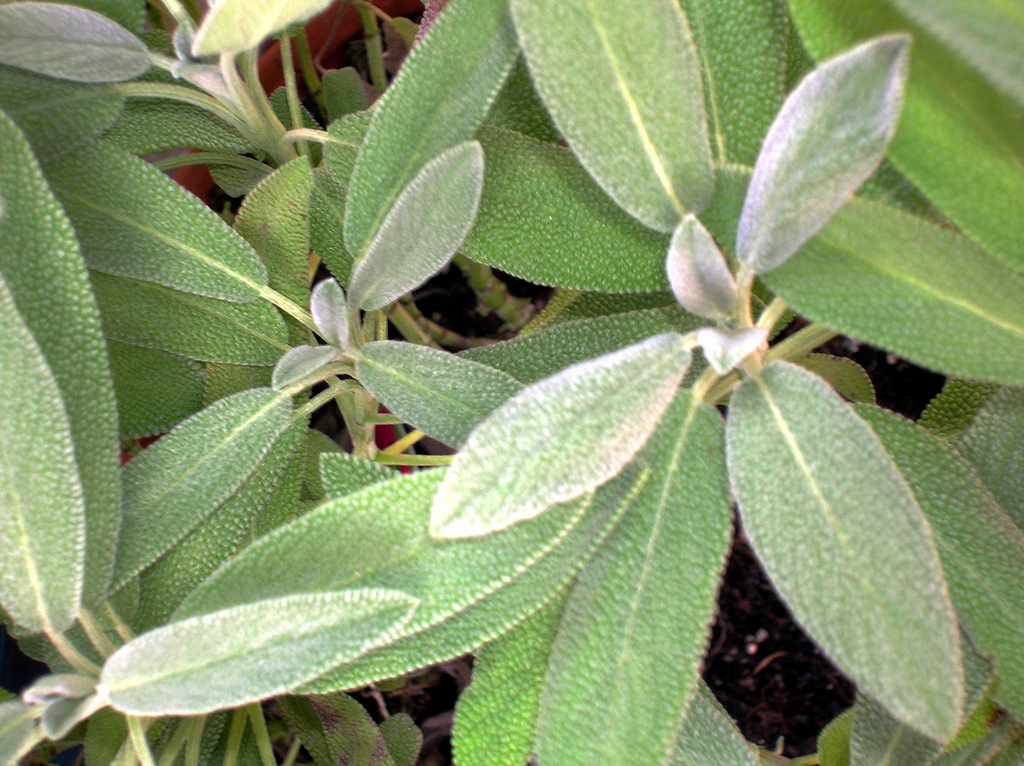
Photo by: flickr