
Taste
Plant Parts Used
Therapeutic Properties
Ayurvedic Character
Cooling
Current Uses
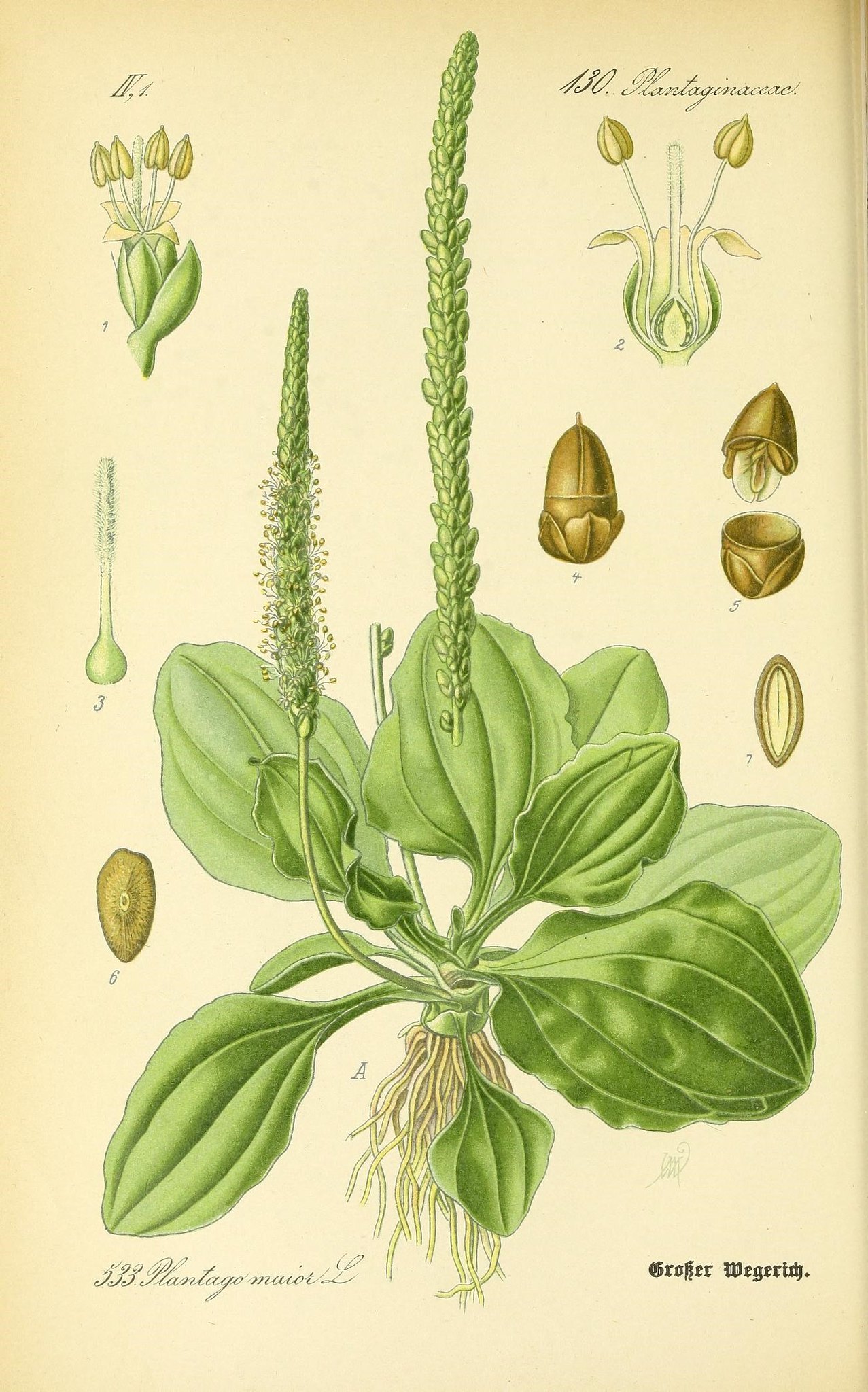
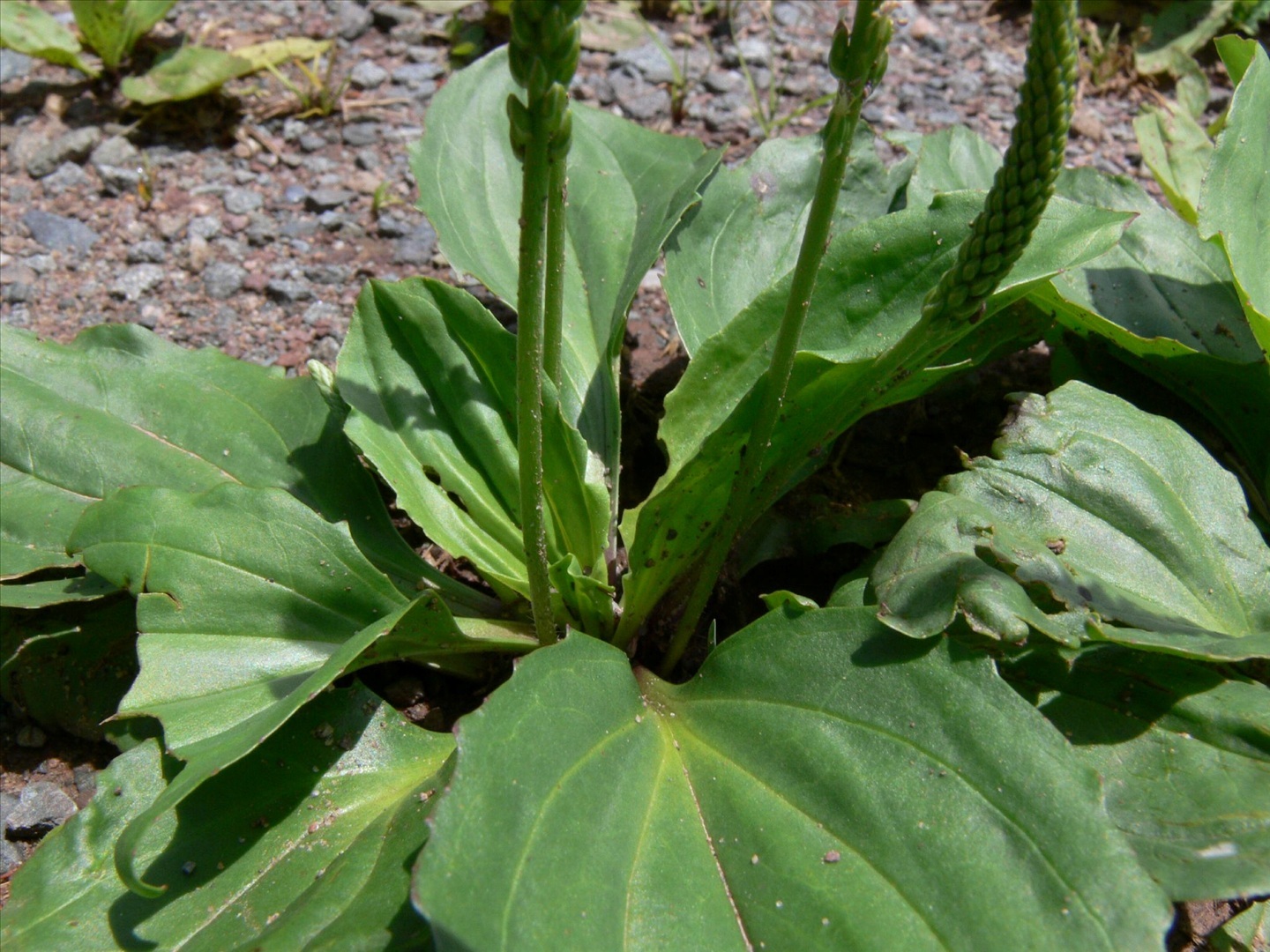
If you’ve ever cursed the “weeds” creeping through a gravel driveway, you’ve probably stepped over plantain without realizing you were ignoring one of the most democratic herbs in Western materia medica. The two most common species you’ll encounter are Plantago major and Plantago lanceolata. While plantain isn’t a standard player in amari formulas, it has quiet potential in low-ABV or non-alcoholic bitter tonics where texture and gentle bitterness matter. The leaf’s mild green flavor and soft astringency can round out aggressive bitter roots, contributing structure without hijacking the profile.
Behind the bar, you might experiment with fresh leaf syrups for spring menus, or dried leaf infusions for herbal highballs where you want a grassy, meadow-like backbone. Historically and clinically, plantain leaf is best known as a soothing herb for mucous membranes and skin.¹ ² That demulcent, vulnerary quality translates conceptually to beverage design: think softening sharp edges, integrating tannins, and adding cohesion rather than headline bitterness.
Precautions
Plantain leaf is widely regarded as safe when used appropriately. Allergic reactions are rare but possible, particularly in individuals sensitive to pollen from related species. Because fresh leaves can accumulate environmental contaminants, you should avoid harvesting from roadsides or chemically treated lawns. As with all herbs used internally, pregnant or breastfeeding individuals and those on medication should consult a qualified healthcare professional before regular use.
Substitutions
If you are looking to replace plantain leaf’s gentle astringency and green tone in a beverage application, consider chickweed for softness, nettle for deeper mineral notes, or a very light infusion of green tea for controlled astringency. For topical or internal herbal formulations, marshmallow leaf can substitute for demulcent action, though it will bring more mucilage and less astringency.
History
Plantain has followed human settlement for millennia. Native to Europe and parts of Asia, it naturalized wherever European colonists traveled. Many Indigenous peoples of North America referred to it as “white man’s foot,” noting how it appeared in the wake of colonial expansion.¹ Its rapid spread and resilience made it both a symbol of disruption and a practical addition to local materia medica.
Classical and early modern herbalists held plantain in high regard. In the first century CE, Pedanius Dioscorides described plantain in De Materia Medica as useful for wounds and inflammations.² Later European herbals, including those of Nicholas Culpeper, recommended it for similar purposes, reinforcing its reputation as a vulnerary and astringent. That through-line—from battlefield poultice to backyard first aid—explains why this humble lawn herb still earns a place in serious herbal practice.
Also known as the “soldier’s plant” because of its use on the battlefield as a wound dressing. Native Americans used it as a natural bandage.
Footnotes
-
Moerman, Daniel E. Native American Ethnobotany. Timber Press, 1998.
-
Dioscorides, Pedanius. De Materia Medica. Translated by Lily Y. Beck, Olms-Weidmann, 2005.
Photo by: fotopedia