
Taste
Plant Parts Used
Therapeutic Properties
Ayurvedic Character
Cooling
Current Uses
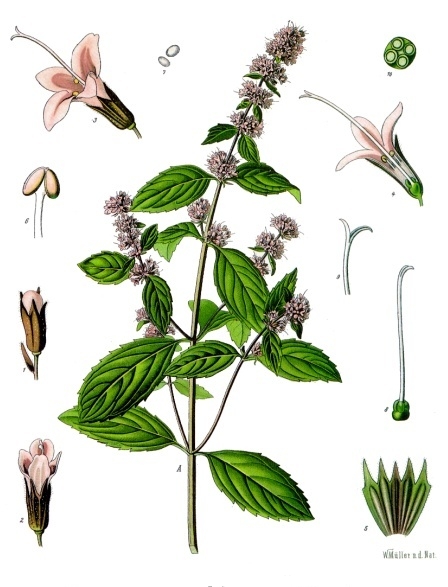
Peppermint is one of the sharpest tools behind the bar. Its cooling menthol hit can lift a drink instantly, slicing through sugar and fat the way citrus does, but with a colder edge. You see it in classics like the Grasshopper and the Stinger, but it also earns its place in modern amari, syrups, and botanical liqueurs. A small amount in a bitter formula can brighten darker roots and barks, giving structure and aromatic lift without adding acidity. Used fresh, it reads green and volatile. Distilled or extracted, it becomes cleaner, colder, and more forceful.
Beyond the glass, peppermint remains one of Western herbalism’s most relied-upon digestive plants. You will find it as a tea, tincture, essential oil, and enteric-coated capsule for gastrointestinal support. Its volatile oils relax smooth muscle in the gut and create that unmistakable cooling sensation you feel from palate to stomach. In your world, that matters. A peppermint-forward digestif does not just taste refreshing; it has a long tradition of being served after heavy meals precisely because of these carminative and antispasmodic actions.[1][2]
Plant Life Cycle
Hardiness Zone
Used in Spirits
Precautions
Peppermint is generally safe in culinary and beverage quantities. Concentrated essential oil, however, is potent and should be used with care. Internally, high doses can aggravate gastroesophageal reflux by relaxing the lower esophageal sphincter. Enteric-coated preparations are preferred in clinical settings to reduce heartburn risk.[1] Peppermint oil should not be given to infants or applied near their faces due to risk of respiratory spasm. As always, concentrated extracts are not interchangeable with fresh leaf in dosage.
Substitutions
If you are out of peppermint, spearmint (Mentha spicata) is the closest fresh-herb substitute, though it is softer, sweeter, and lower in menthol. For a more medicinal, high-menthol effect in liqueur work, you could approximate the cooling sensation with a small amount of menthol crystals dissolved properly, but you will lose the green complexity of the whole leaf. In amaro formulas, a touch of eucalyptus or even a restrained amount of rosemary can supply lift, but neither will truly replicate peppermint’s clean, cold pungency.
History
Peppermint is a natural hybrid between watermint (Mentha aquatica) and spearmint (Mentha spicata), first described in 18th-century England. By the mid-1700s, it was being cultivated commercially in England and later in the United States, where it became a significant cash crop, particularly in the Northeast and Midwest. Its popularity rose alongside the expansion of distilled spirits and cordials, where its volatile oils proved stable and assertive in alcohol.
Medicinally, peppermint leaf and oil were adopted into European and American pharmacopeias as carminatives and antispasmodics. The U.S. Pharmacopeia listed peppermint preparations in the 19th century, and modern clinical research continues to evaluate enteric-coated peppermint oil for irritable bowel syndrome, with randomized controlled trials demonstrating reduction in abdominal pain and global symptoms compared to placebo.[2] So when you pour a peppermint digestif, you are leaning into centuries of both flavor craft and practical herbalism.
Perhaps the world’s oldest digestif. Highly valued for its hygienic qualities and as a breath freshener. Beneficial as a general nutritive tonic. Used in various infusions and teas.
Footnotes
- McKay, Diane L., and Jeffrey B. Blumberg. “A Review of the Bioactivity and Potential Health Benefits of Peppermint Tea (Mentha piperita L.).” Phytotherapy Research, vol. 20, no. 8, 2006, pp. 619–633.
- Cash, Brooks D., et al. “The Utility of Peppermint Oil in Irritable Bowel Syndrome: A Systematic Review and Meta-analysis.” BMC Complementary and Alternative Medicine, vol. 16, 2016, article 220.
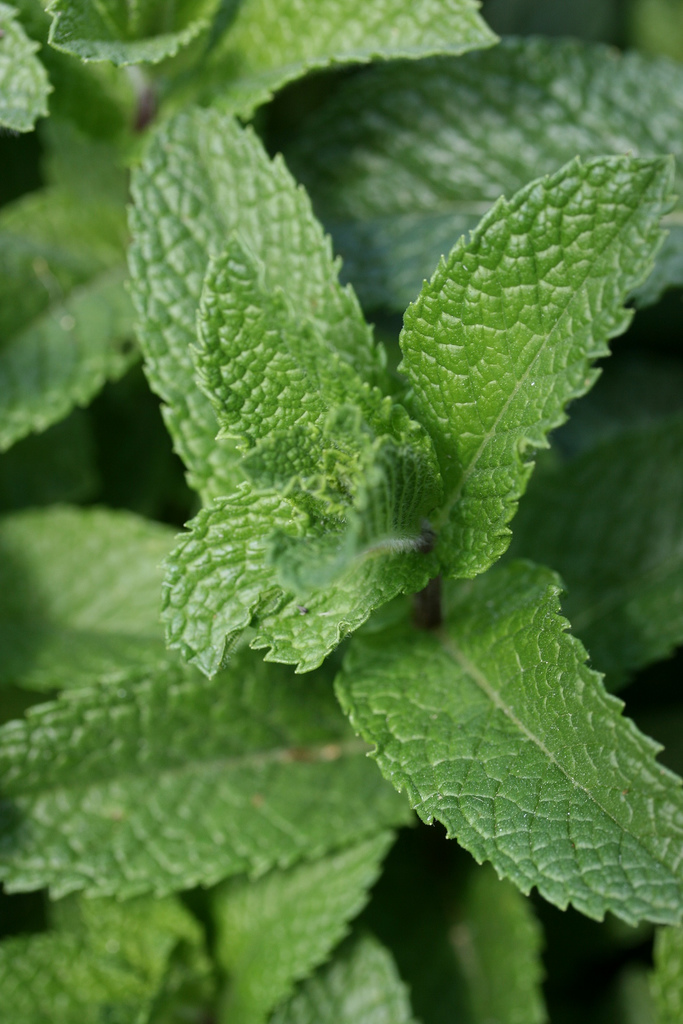
Photo by: flickr