
Taste
Plant Parts Used
Therapeutic Properties
Ayurvedic Character
Heating
Current Uses
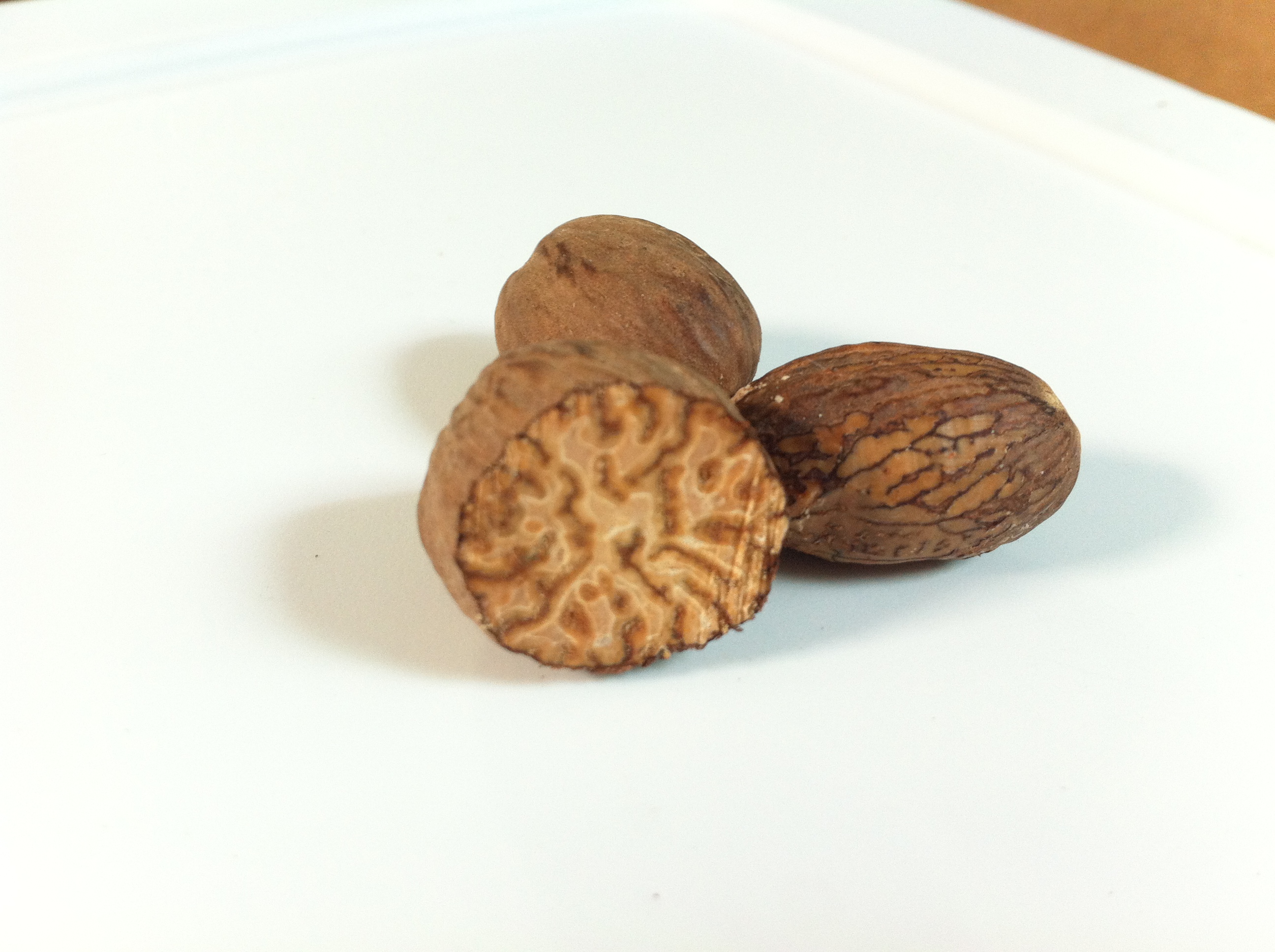
Nutmeg is one of those spices that can quietly transform a drink from pleasant to memorable. In your bar program, you will most often use freshly grated nutmeg as an aromatic finish. One light pass over a Microplane sends warm, sweet, resinous notes into the glass, which bloom especially well over dairy, egg, or rich sugar bases. Think flips, nogs, and hot buttered rum, but do not stop there. Nutmeg’s volatile oils also lift tiki drinks, punch bowls, and even spirit-forward classics when you want to add depth without obvious spice heat. A whole nutmeg at the bar signals that you care about aroma, not just flavor.
Beyond garnish, nutmeg can be infused into syrups, cream, or spirits to build a deeper base note. Its essential oil is rich in myristicin and sabinene, which contribute woody sweetness and a faint peppery edge. Used sparingly, it rounds out bitters, amari, and spiced liqueurs, giving them a plush, almost custard-like warmth. Used heavily, it becomes dominant and slightly camphoraceous. As always with potent botanicals, restraint is the mark of a professional.
The spice increases absorption in the small intestine. Promotes calming of the mind and sound sleep.
Plant Life Cycle
Hardiness Zone
Used in Spirits
Precautions
Nutmeg is safe in culinary quantities, but it is not a toy. In large doses, it has well-documented toxic and psychoactive effects due primarily to myristicin and related compounds. Symptoms of excessive intake can include nausea, palpitations, and hallucinations, with effects that may last for many hours. Historical and modern case reports confirm that high-dose ingestion can require medical intervention.¹ Use it as a spice, not a stunt.
Pregnant women are traditionally advised to avoid excessive medicinal dosing of nutmeg because of its historical reputation as an emmenagogue.² In professional beverage contexts, the amounts used are culinary and aromatic, but concentrated extracts and essential oils should be handled carefully and kept out of casual reach.
Not recommended during pregnancy or for high Pitta constitutions due to its warming effects.
Substitutions
If you are out of nutmeg, mace is your closest substitute because it comes from the same fruit. Mace is the aril that surrounds the nutmeg seed and offers a similar but slightly brighter, more floral character. In baked or dairy-driven cocktails, cinnamon can approximate the warmth, though it lacks nutmeg’s resinous complexity. Allspice can stand in for depth and sweetness, but it brings clove-like intensity. In a pinch, a restrained blend of cinnamon and a touch of clove will echo nutmeg’s profile, though it will not replicate its distinctive perfume.
Other warming “holiday” spices can be used in lieu of nutmeg, in various proportions and combinations to yield a similar sweet, woody scent and flavor, like cinnamon, clove, ground ginger, allspice, and white pepper.
History
Origins
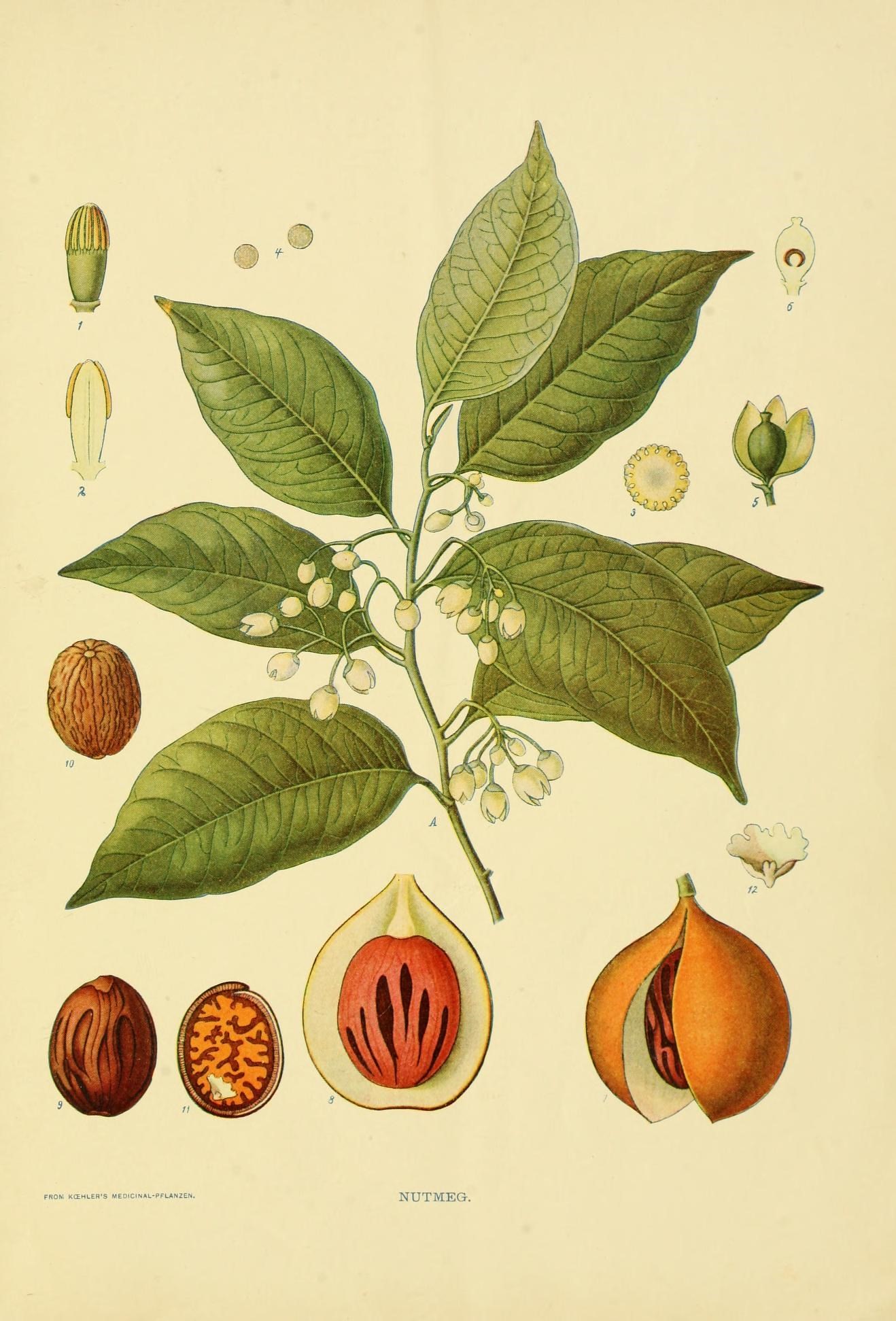
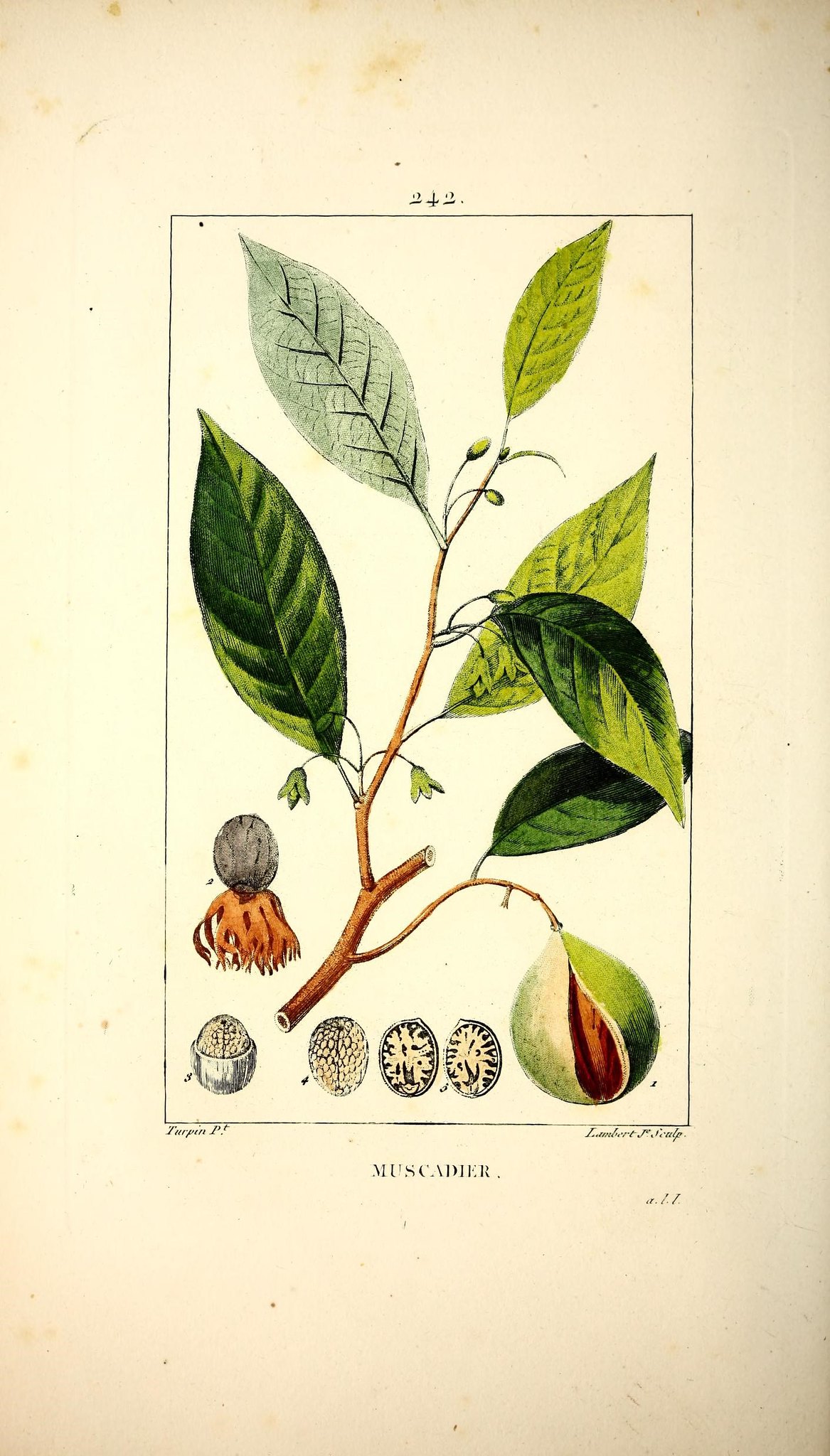
Nutmeg comes from Myristica fragrans, an evergreen tree native to the Banda Islands of present-day Indonesia. For centuries, these small volcanic islands were the world’s only source of nutmeg and mace. Arab traders introduced nutmeg to Europe in the Middle Ages, where it became a prized and expensive commodity. By the fifteenth and sixteenth centuries, European demand had grown intense, fueled in part by the belief that nutmeg could ward off plague and other diseases.²
This demand helped drive the violent competition among colonial powers. The Portuguese first seized control of the trade, followed by the Dutch, who established a monopoly in the seventeenth century through the Dutch East India Company. Control of nutmeg was so valuable that the island of Run was exchanged by the Dutch to the English in 1667 for Manhattan, then known as New Amsterdam. Nutmeg’s warm sweetness once shaped global empires. When you grate it over a flip, you are holding a piece of that history in your hand.
Native to the Spice Islands of Indonesia, nutmeg was once more valuable than gold. It was highly sought after by elites who prized its medicinal, culinary, and aromatic properties. Territorial wars between the Dutch, English, and Portuguese were fought in order to gain control of the nutmeg trade. The Dutch famously traded Manhattan, New York for control of the Island of Run (Banda Islands) where nutmeg was exclusively grown. They maintained their control for hundreds of years until the English began growing nutmeg in Grenada, which broke the Dutch monopoly.
Footnotes
-
Demetriades, Andreas K., et al. “Nutmeg Poisoning.” Emergency Medicine Journal, vol. 22, no. 3, 2005, pp. 223–225.
-
van Gils, C. and P. A. Cox. “Ethnobotany of Nutmeg in the Spice Islands.” Journal of Ethnopharmacology, vol. 42, no. 2, 1994, pp. 117–124.