
Taste
Plant Parts Used
Therapeutic Properties
Ayurvedic Character
Heating
Current Uses
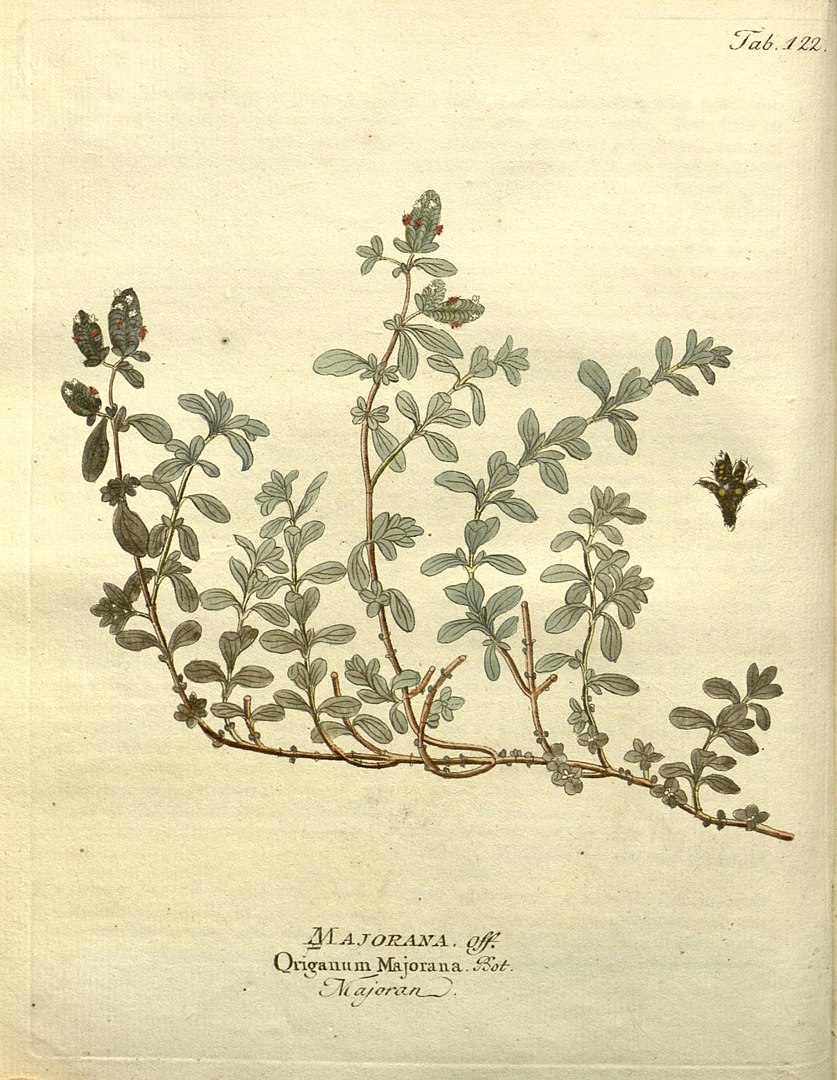
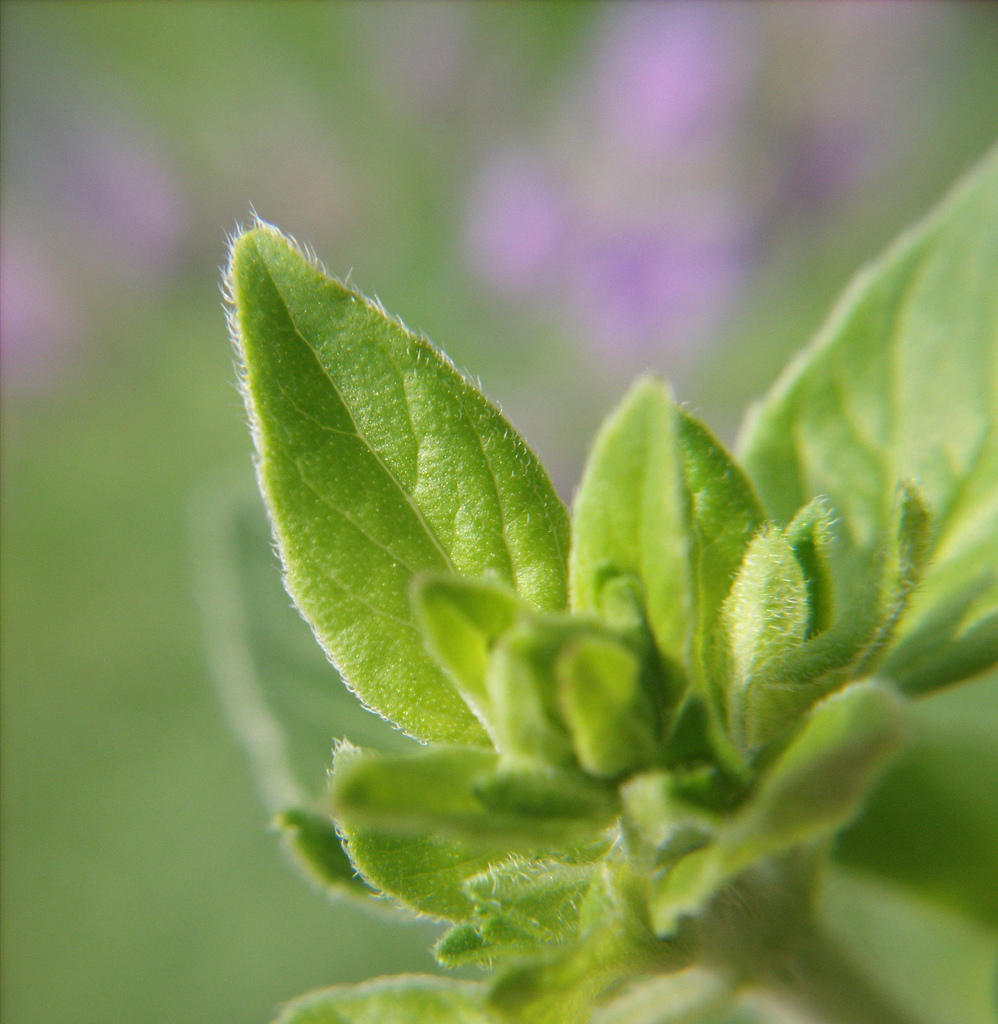
Marjoram, botanically known as Origanum majorana, is a soft-spoken powerhouse behind the bar. Its aroma is warm, green, and gently floral, with a subtle sweetness that distinguishes it from its sharper cousin oregano. In cocktails, you can treat it as a bridge between savory and citrus elements. It plays well with gin, especially London dry styles that lean on juniper and coriander, and it softens the edges of high-proof spirits when used as a fresh garnish, infused syrup, or low-temperature tincture. If you are building herbaceous profiles in vermouth-style aromatized wines or experimental amari, marjoram contributes a rounded, almost honeyed herbal note rather than aggressive spice.
In the kitchen-adjacent bar world, marjoram excels in savory syrups for tomato-based drinks, Mediterranean-inspired shrubs, and clarified milk punches that feature stone fruit or melon. Its essential oil contains compounds such as terpinen-4-ol and sabinene hydrate, which lend a lightly camphoraceous but ultimately comforting character. When you taste it in a spirit infusion, you will notice that it opens with a mild sweetness before finishing gently pungent and warming. That arc makes it especially useful when you want herbal complexity without the bitterness that gentian or wormwood would bring.
Precautions
Marjoram is generally recognized as safe in culinary amounts. However, concentrated essential oil should be used cautiously and never ingested undiluted. Traditional herbal sources note that large medicinal doses were historically avoided during pregnancy due to its emmenagogue reputation.¹ As with any member of the Lamiaceae family, individuals with sensitivities to aromatic herbs should test small quantities first, particularly in concentrated extracts.
Substitutions
If you are out of marjoram, you have options, but each shifts the profile. Oregano (Origanum vulgare) is the closest botanical relative, yet it is more assertive and phenolic. Use about half as much and expect more bite. Thyme will give you a similar woody backbone but less sweetness. Sweet basil can mimic marjoram’s soft, rounded top notes in fresh applications, especially in summer drinks, though it lacks the same resinous depth. For dried applications in syrups or infusions, a small amount of savory can approximate marjoram’s gentle pungency.
History
Origins
Marjoram likely originated in the eastern Mediterranean and western Asia, and it was revered in the ancient Greek and Roman worlds. Classical writers associated it with happiness and love. The Greek physician Pedanius Dioscorides described marjoram in De Materia Medica as warming and beneficial for certain respiratory and digestive complaints.² The plant was dedicated to Aphrodite in Greek tradition, symbolizing joy and marital bliss.
By the medieval period, marjoram had traveled widely across Europe. It appeared in monastic physic gardens and household stillrooms, where it was infused into wines and vinegars. In early modern herbals, it was recommended as a warming and comforting plant for internal and external use.¹ Over time, its culinary value began to overshadow its medicinal reputation, yet its aromatic gentleness kept it in favor for both cookery and cordials.
Footnotes
-
Grieve, M. A Modern Herbal. London: Jonathan Cape, 1931. Print.
-
Dioscorides, Pedanius. De Materia Medica. Translated by Lily Y. Beck, Olms-Weidmann, 2005. Print.
Photo by: flickr