
Taste
Plant Parts Used
Therapeutic Properties
Ayurvedic Character
Unknown
Current Uses
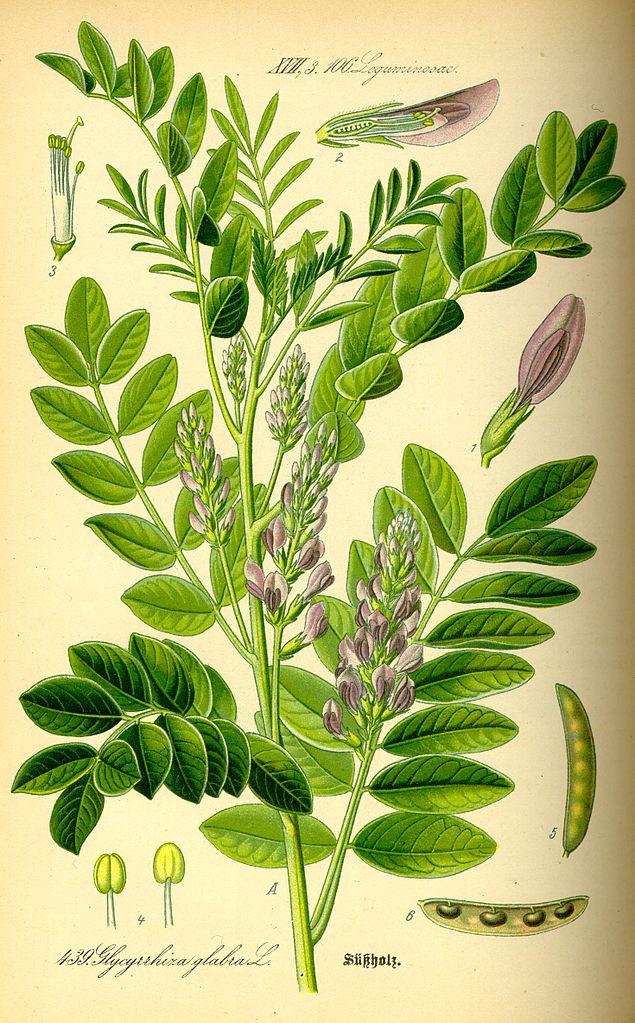
Licorice root, from Glycyrrhiza glabra, is one of the most quietly powerful tools behind the bar. You probably know it for its sweetness, but what makes it indispensable in amari, herbal liqueurs, and bitters is not just flavor. It rounds edges. A small addition can knit together sharp citrus oils, bracing gentian bitterness, and high-proof alcohol into something seamless. In classic European liqueurs, it acts as both sweetener and structural support, amplifying aroma while softening tannic or resinous botanicals. If you are building a formula that tastes disjointed, a restrained dose of licorice decoction or tincture often brings cohesion.
In modern beverage work, you will find licorice root in amaro, pastis-style spirits, Scandinavian aquavit variants, and some botanical gins. It contributes body without viscosity, sweetness without sugar weight, and a lingering finish that reads as warm and slightly earthy. It pairs especially well with fennel, anise, citrus peel, ginger, and dark spices. Used judiciously, it enhances perceived sweetness while allowing you to keep actual sugar levels lower, which matters if you want a bitter-forward profile that still feels generous on the palate.
Precautions
Licorice root contains glycyrrhizin, which can influence cortisol metabolism and electrolyte balance when consumed in significant amounts over time. Excessive intake has been associated with elevated blood pressure, hypokalemia, and fluid retention. Concentrated extracts and daily medicinal use pose greater risk than occasional culinary or beverage exposure. Deglycyrrhizinated licorice (DGL) does not carry the same mineralocorticoid effects but is rarely used in spirits production.
If you are formulating commercially or advising guests, remember that individuals with hypertension, kidney disease, or those taking certain diuretics or corticosteroids should limit high intake. Moderate, culinary-level use behind the bar is generally considered safe for healthy adults.
Substitutions
If you are substituting for flavor alone, star anise or fennel seed will mimic the anethole-driven aromatic sweetness, but they lack licorice’s earthy depth and smoothing quality. Anise hyssop can offer a lighter herbal lift in low-ABV preparations.
For sweetness and texture, a small amount of glycerin or marshmallow root can help with mouthfeel, though neither provides the same flavor. If you need structural sweetness without the characteristic aroma, consider a restrained dose of raw cane syrup combined with a trace of gentian to maintain balance.
History
Origins
Licorice has been used for millennia across Eurasia. It appears in ancient Egyptian medical papyri and was reportedly included in the tomb of Tutankhamun, suggesting both medicinal and ceremonial value. Greek physician Hippocrates described its use for coughs and throat conditions, and later Roman writers noted its usefulness for quenching thirst and soothing the chest. Its name derives from the Greek “glykyrrhiza,” meaning “sweet root.”¹
In Traditional Chinese Medicine, licorice, known as gan cao, became one of the most frequently used harmonizing herbs, valued for moderating harsh formulas and supporting vitality.² That harmonizing role is precisely why it persists in European monastic liqueurs and modern amari. Long before you reached for it to round out a bitter blend, physicians and herbalists were using it to bring balance to complex botanical preparations.
Footnotes
-
Dioscorides. De Materia Medica. Translated by Lily Y. Beck, Olms-Weidmann, 2005.
-
Pharmacopoeia Commission of the People’s Republic of China. Pharmacopoeia of the People’s Republic of China. China Medical Science Press, 2020.