
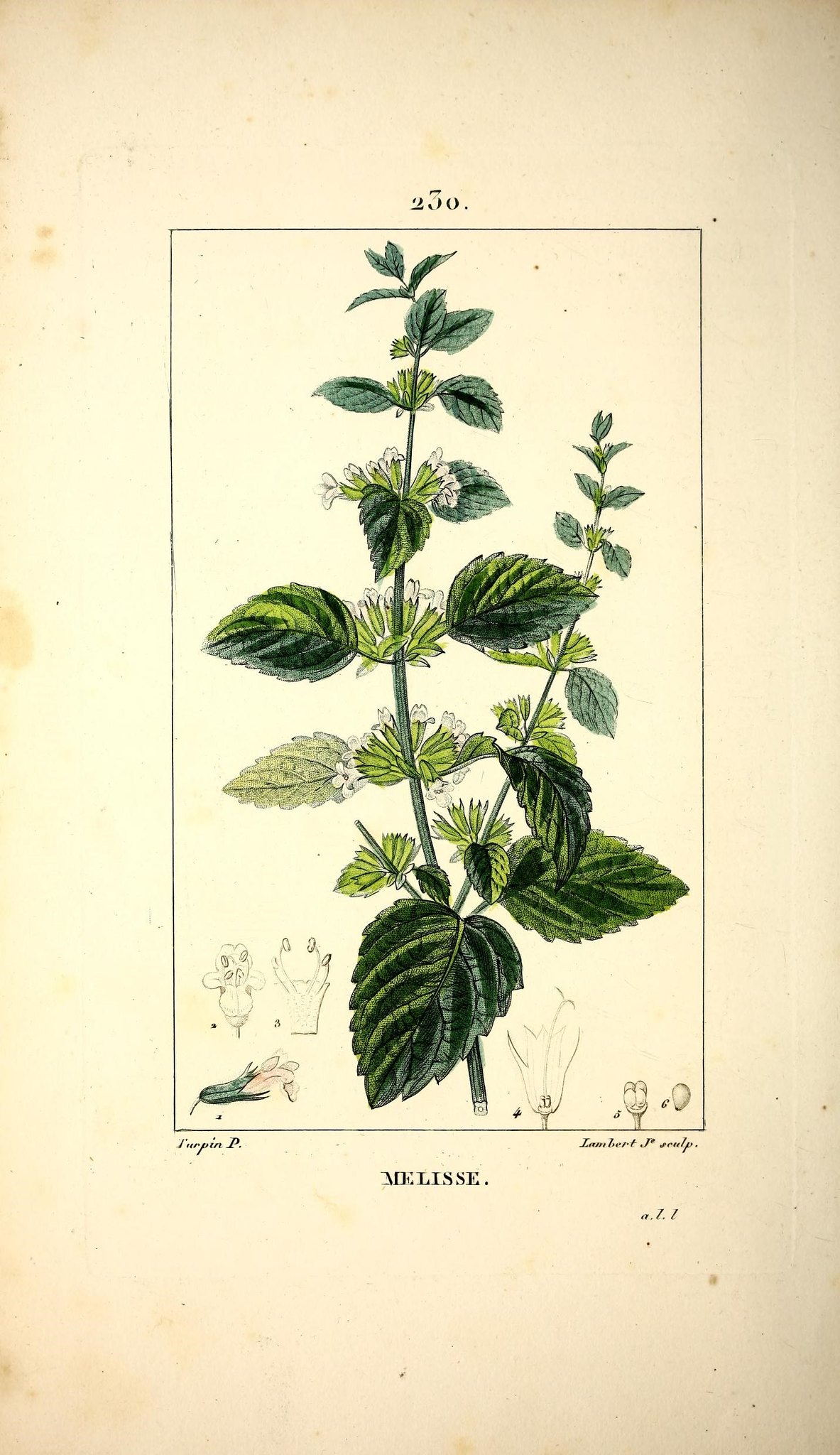
Taste
Plant Parts Used
Therapeutic Properties
Ayurvedic Character
Cooling
Current Uses
When you work with lemon balm, you are working with one of the gentlest aromatic greens in the apothecary garden. Melissa officinalis brings a soft lemon-citrus top note with a faint honeyed, green undertone that reads brighter and more floral than lemon peel and less sharp than verbena. Behind the bar, you can treat it like a delicate hybrid of mint and citrus leaf. It shines as a fresh infusion in gin, blanc vermouth, and light rum; it performs beautifully in low-ABV spritzes; and it adds lift to honey syrups without pushing acidity. Because its essential oil content is relatively low compared to mint, you will get the cleanest flavor from gentle muddling, cool infusions, or short steep times rather than aggressive heat.
In liqueur and amaro work, lemon balm plays a supporting role that rounds sharper botanicals. It softens wormwood, frames angelica, and brightens coriander without competing. In distillation, its volatile oils—citral, citronellal, and geraniol—carry a high, lemon blossom aroma that reads refined rather than bracing. If you are building botanical spirits meant to encourage slow sipping, lemon balm is a quiet structural herb. It will not dominate, but it will make everything around it feel more composed.
Plant Life Cycle
Hardiness Zone
Used in Spirits
Precautions
Lemon balm is widely regarded as safe in culinary and traditional therapeutic doses. Concentrated extracts may potentiate sedative medications due to its calming activity. Caution is advised in individuals taking thyroid hormone therapy, as in vitro data suggest possible interaction with thyroid-stimulating hormone pathways. As always, concentrated preparations should be used thoughtfully and with professional guidance.
Substitutions
If you need a brighter, more assertive citrus note, lemon verbena can substitute, though it is sharper and more penetrating. For a greener, cooler profile, spearmint can stand in, but it lacks lemon balm’s soft floral quality. A blend of mild mint and a small amount of fresh lemon zest can approximate the balance, though it will be less integrated.
History
Lemon balm’s story runs straight through the Mediterranean monastic gardens of the Middle Ages. The genus name Melissa comes from the Greek word for “bee,” reflecting its long reputation as a nectar plant and its association with sweetness and restoration. It was described by classical physicians including Dioscorides, and later cultivated widely in European physic gardens for its calming and uplifting qualities. Seventeenth-century Carmelite monks in Paris incorporated it into Carmelite water, a compound spirit intended to “comfort the heart and nerves,” demonstrating its early integration into alcohol-based preparations.¹
By the early modern period, physicians such as Paracelsus praised lemon balm as a rejuvenating herb. Nicholas Culpeper wrote of its affinity for the heart and its cheerful nature in his seventeenth-century herbal.² Across centuries, it maintained a reputation as a nervine and cordial herb—meaning it was used to steady the nerves and support emotional balance. For you, that lineage matters. Lemon balm has always occupied the space between pleasure and medicine, which is exactly where great botanical drinks live.
Footnotes
-
Grieve, M. A Modern Herbal. London: Jonathan Cape, 1931. Print.
-
Culpeper, Nicholas. The Complete Herbal. London, 1653. Print.
-
Schnitzler, Paul, et al. “Melissa officinalis Oil Affects Infectivity of Enveloped Herpesviruses.” Phytomedicine, vol. 15, no. 9, 2008, pp. 734–740. Print.
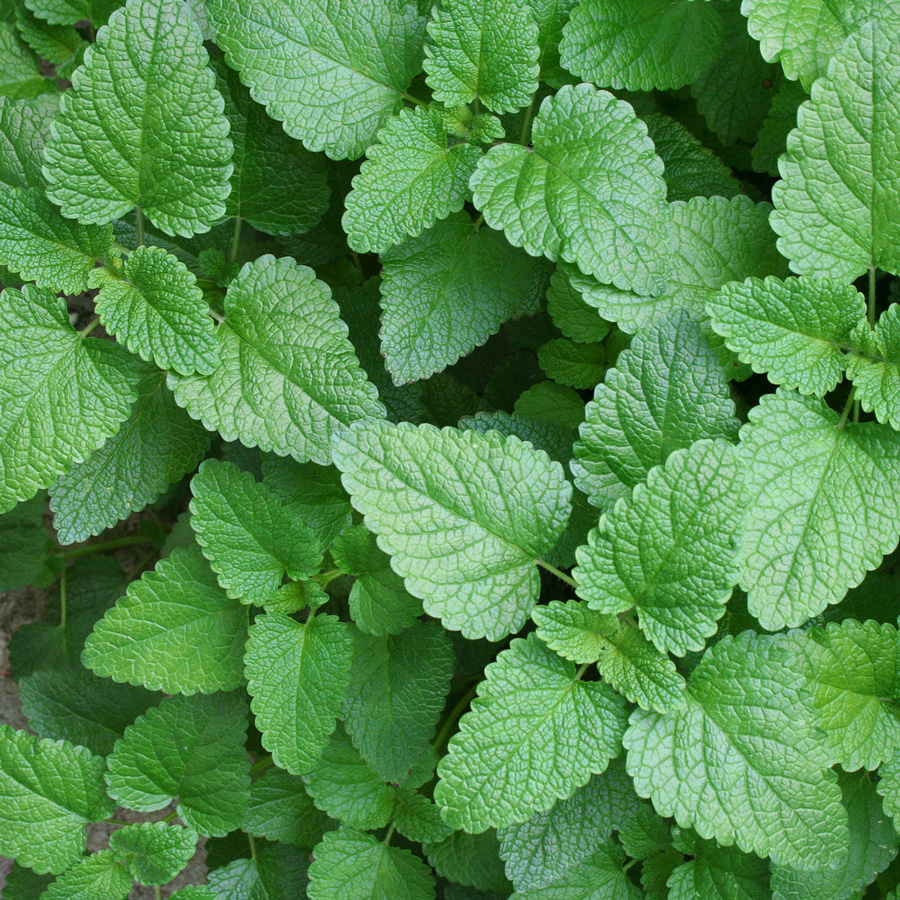
Photo by: flickr