
Taste
Plant Parts Used
Therapeutic Properties
Ayurvedic Character
Cooling
Current Uses
If you’ve ever brewed a batch of agua de Jamaica, stirred a hibiscus-infused syrup into a spritz, or seen bright red calyces steeping in a punch, you’re engaging with Hibiscus sabdariffa’s most common modern use. Bartenders and beverage makers prize the tart-cranberry-like flavor of the dried calyces for teas, syrups, shrubs, cordials, and cocktails.
Beyond bars, hibiscus is also steeped as a caffeine-free herbal tea around the world, enjoyed hot or iced, and incorporated into jams, jellies, and sauces because of that bold color and mouthfeel.
***********
The brightly colored flowers make a lovely tea and are edible. Can be distilled and used to flavor spirits. Therapeutic to kidneys and reproductive health.
Precautions
Hibiscus is generally well tolerated as a food or drink ingredient, but it isn’t recommended during pregnancy due to potential effects on uterine muscle tone seen in animal studies. It can interact with blood pressure medications because of its mild diuretic and vasodilatory properties, so professionals and consumers alike should be mindful if serving large quantities to sensitive guests.
Due to its cooling effects, do not use with chills or with a strong Vata constitution.
Substitutions
If you’re out of hibiscus and want that bright tart note, cranberry powder or tart cherry syrup can approximate the sour-fruity profile. For color with a deeper earthiness, elderberry syrup works well in many dark-spirit cocktails. None of these mimic hibiscus’s exact anthocyanin-driven crimson hue and flavor complexity, but they’re useful stand-ins in a pinch.
History
Origins
Hibiscus’s story is global. It likely originated in West and Central Africa and was used there long before European contact—both as a food source (seeds and leaves) and as a beverage ingredient. By ancient times, its vibrant red calyces were brewed into Karkadeh in Egypt, a drink valued for cooling the body, supporting heart health, and celebrated socially; Egyptian wedding rituals still feature the deep-red beverage today.
From there, hibiscus traveled across trade routes into Asia, the Caribbean, and the Americas. In West Africa it’s still called bissap or carcade, in the Caribbean it’s sorrel, and in Mexico and Central America it’s agua de Jamaica—all testament to how widely this botanical has been embraced.
Footnotes
Silalahi, Marina. “Hibiscus sabdariffa L. (Traditional Medicine and Food Ingredients).” GSC Biological and Pharmaceutical Sciences, 2024.
“Hibiscus sabdariffa.” Herb Society of America, 2023.
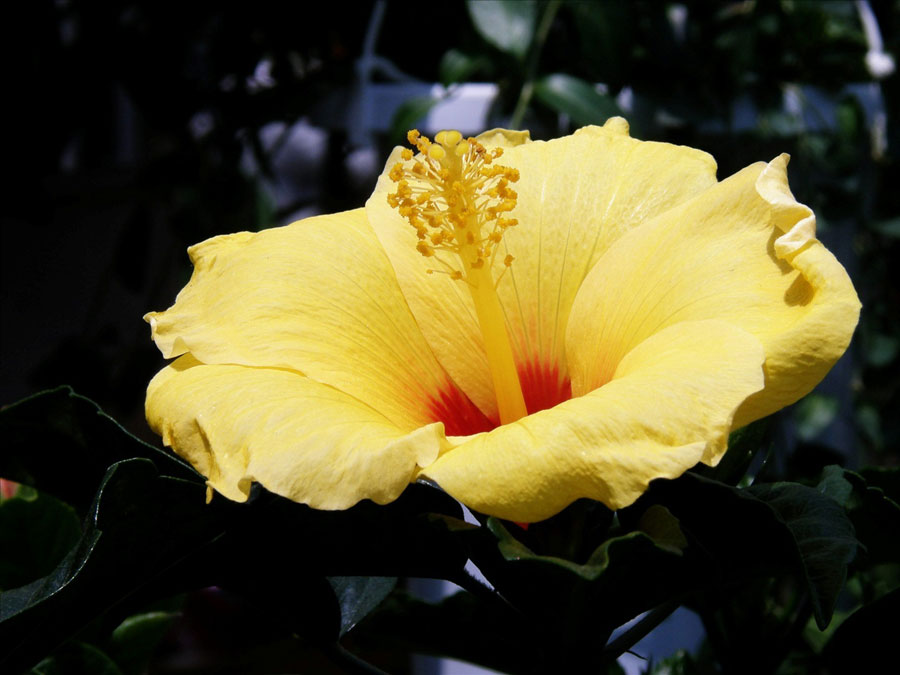
Photo by: fotopedia