
Taste
Plant Parts Used
Therapeutic Properties
Ayurvedic Character
Heating
Current Uses
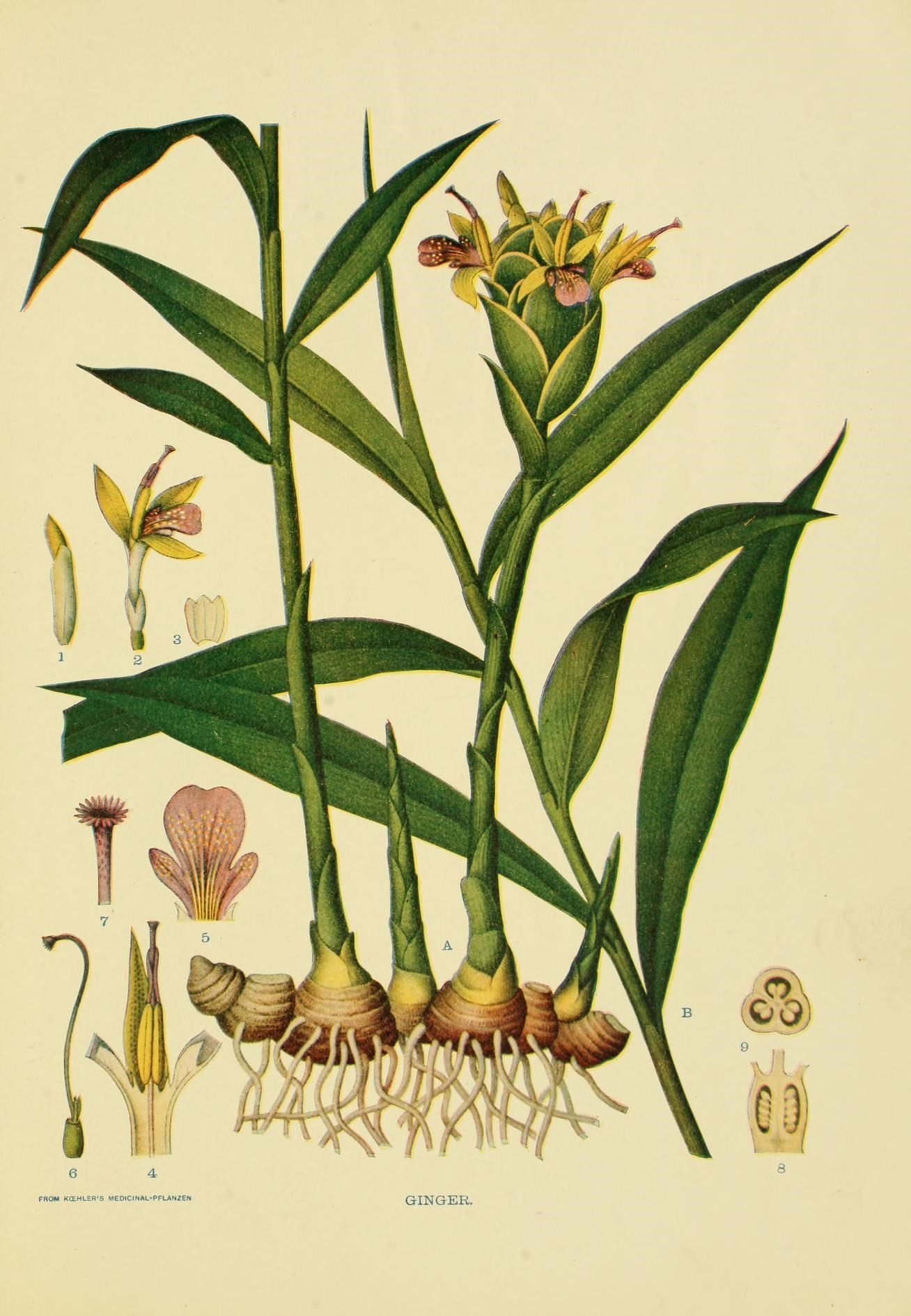
Ginger isn’t just a spice on your bar’s garnish tray: it’s one of the most versatile botanicals in both culinary and herbal arenas. You’ll see it fresh, dried, candied, or juiced in cocktails—think ginger syrup, shrubs, tinctures, and bittering agents—because its pungent heat and aromatic zest pair beautifully with everything from whiskey to rum. It’s also widely used in herbal preparations to support digestion, settle stomachs, and ease nausea, making it a go-to in bitters and digestifs alike—no surprise given its historical role in traditional medicine systems like Ayurveda and Traditional Chinese Medicine.
Beyond drinks, ginger shows up in culinary staples, confections, teas, and even medicinal lozenges, highlighting how its robust flavor and warming effect make it both a sensory and functional ingredient.
Precautions
Ginger is generally safe in culinary amounts, but at higher doses it can thin the blood and might interact with anticoagulants. People with gallstones, bleeding disorders, or who are pregnant should consult a healthcare provider before using ginger therapeutically. A little can go a long way—especially in tinctures or high-proof spirit infusions.
Substitutions
If ginger’s unavailable or too assertive for a recipe, consider using galangal (for a sharper, slightly citrusy root tone) or turmeric (for earthier, mellow warmth). Candied ginger or ginger juice can stand in for fresh rhizome in syrups or infusions, albeit with slightly sweeter, less fiery character. If you need the digestive lift but not the spice bomb, carminative herbs like fennel or cardamom can soften the profile while still supporting digestion.
History
Origins
Ginger has been with humans for millennia. It was cultivated in ancient China and India more than 3,000 years ago and traded westward into the Mediterranean by the 1st century CE, prized both for its flavor and its healing reputation.
By the Middle Ages it was a luxury spice in Europe, often used to flavor ales and early spiced wines, and it continued spreading across the globe through Portuguese and Spanish trade routes into Africa and the New World.
Footnotes
“Ginger.” Encyclopaedia Britannica, 18 Dec. 2025, www.britannica.com/plant/ginger.
“Ginger Root Plant: Origin, Uses, and Global Popularity.” Herbpy, 2025, https://www.herbpy.com/post/ginger-root-plant-worldwide-uses
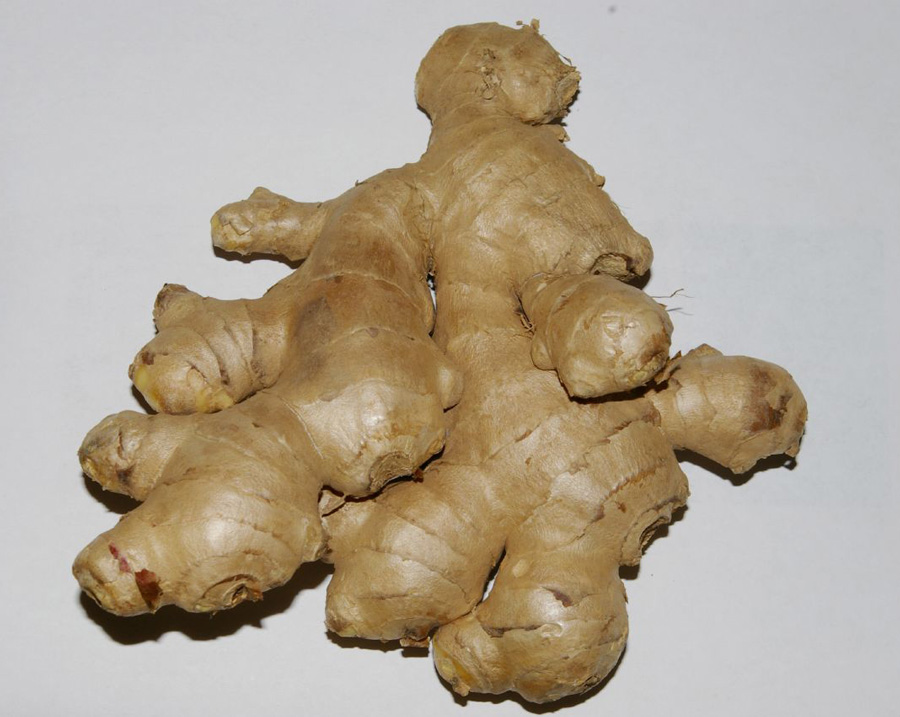
Photo by: flickr