
Taste
Plant Parts Used
Therapeutic Properties
Ayurvedic Character
Cooling
Current Uses
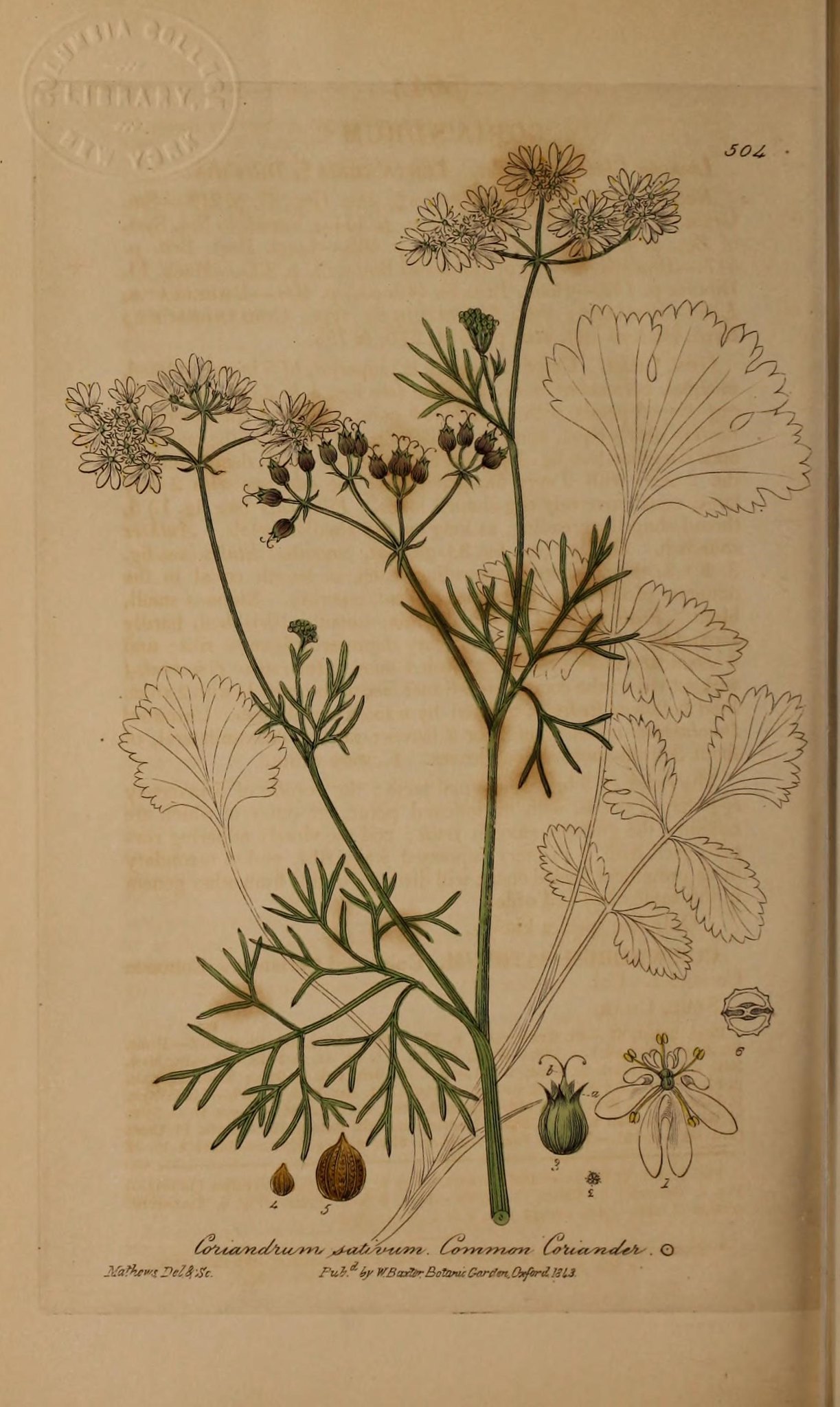
Coriander seed is one of those quietly indispensable spices behind the bar. You’ll find it lending warmth, citrusy lift, and a soft spice backbone to gin, aquavit, genever, and countless bitters formulas. Its flavor plays particularly well with angelica, citrus peel, caraway, and orris, making it a natural bridge ingredient when you want complexity without aggression. In liqueurs and amari, coriander seed smooths sharp edges and adds a rounded, almost creamy spice note that keeps bitterness from feeling too austere.
Outside the bottle, coriander seed remains a global culinary staple, used whole or ground in spice blends from garam masala to berbere. For drinkers who care about function as much as flavor, it’s also appreciated for its long-standing digestive reputation. That combination—palatable, aromatic, and gently supportive—is exactly why coriander seed has survived thousands of years of human use without ever feeling dated.
Mostly culinary. Fresh leaves are used as garnish and in cooking. Ground seeds, referred to generally as coriander, are used as part of spice mixtures in cooking.
Precautions
Coriander seed is generally regarded as safe when used in culinary and beverage amounts. Very large doses may cause mild digestive upset in sensitive individuals. Those with known Apiaceae (carrot family) allergies should use caution.
Substitutions
Caraway seed is the closest functional substitute, though it leans sharper and more assertive. Fennel seed can stand in for sweetness and digestibility, but it lacks coriander’s citrusy brightness. A light touch of dried orange peel can help approximate coriander’s aromatic lift when no true substitute is available.
History
Origins
Coriander seed is one of the oldest recorded spices in human history. Archaeological evidence places it in use as early as 5000 BCE, with seeds found in Neolithic sites and even in the tomb of Tutankhamun. Ancient Egyptians valued it both as a culinary spice and a ritual offering, while Greek and Roman physicians documented its warming, digestive qualities and its use in wine and medicinal preparations.
By the Middle Ages, coriander had spread across Europe, the Middle East, and Asia, becoming a staple in monastery gardens and early apothecaries. Its easy cultivation and pleasant flavor ensured its survival through shifting medical paradigms, from humoral theory to early modern pharmacology. Today, coriander seed’s presence in gin and botanical spirits is less a revival than a continuation of an unbroken tradition.
Footnotes
-
Stuart, Malcolm. The Encyclopedia of Herbs and Herbalism. Crescent Books, 1987.
-
Grieve, Maud. A Modern Herbal. Dover Publications, 1971 (original work published 1931).
-
Dalby, Andrew. Dangerous Tastes: The Story of Spices. University of California Press, 2000.