
Taste
Plant Parts Used
Therapeutic Properties
Cholagogue, Antimicrobial, Anthelmintic, Antispasmodic, Bitter Tonic, Carminative, Digestive, Stimulant & Tonic
Ayurvedic Character
Cooling
Current Uses
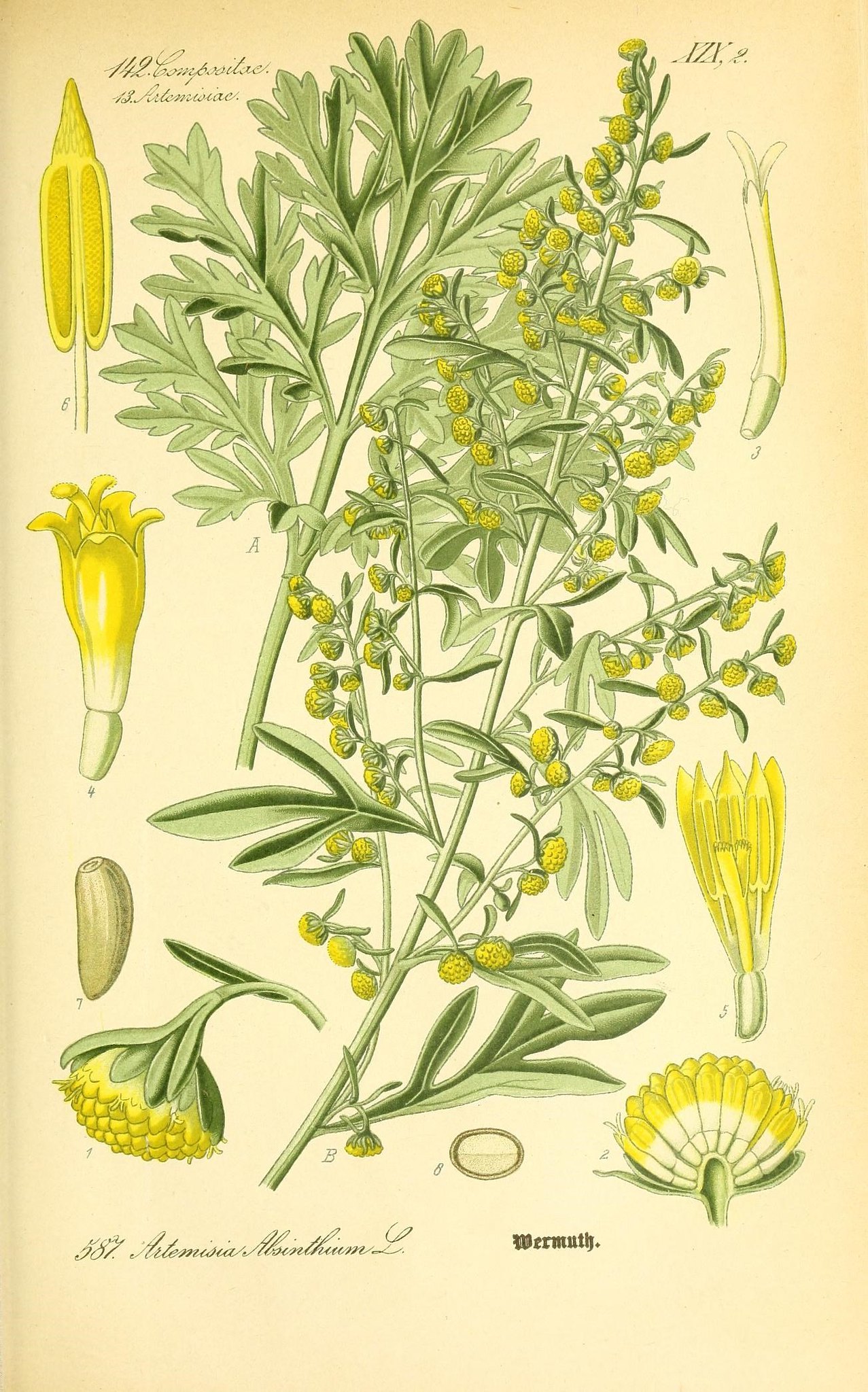
Few plants have a reputation as notorious — or as misunderstood — as wormwood (Artemisia absinthium). Bitter to the point of defiance, this silvery-green perennial has been used for millennia to rouse sluggish digestion, purge intestinal parasites, and steady the stomach after heavy meals. The Greeks and Romans steeped it in wine and called it a tonic for the liver, and medieval apothecaries prescribed it for everything from fevers to melancholy. Even today, its chief bitter compounds — absinthin and anabsinthin — are prized for stimulating gastric juices and bile production, which is why a sip of an aperitif or digestif containing wormwood still primes your appetite and settles your gut before or after a rich meal (Bone & Mills 2013, 83–84; Duke 2002, 57).
But let’s be honest — wormwood’s real fame comes from its role in absinthe, that myth-drenched spirit beloved by 19th-century bohemians and vilified by governments. Its active constituent thujone sparked centuries of controversy, blamed (wrongly) for hallucinations and madness until modern science debunked the hysteria. In reality, traditional absinthes contained only trace amounts of thujone — nowhere near enough to cause hallucinations — and the “green fairy’s” infamy likely stemmed more from overindulgence than from the herb itself (Lanier 2013, 52–54; Adams 2020, 118). Still, wormwood’s assertive bitterness gives absinthe and many classic vermouths and bitters their sharp, unmistakable edge, the kind of flavor that cuts through sweetness and commands attention.
If you’re working behind a bar, think of wormwood as both a historical anchor and a sensory tool. A few drops of a wormwood tincture or a well-chosen absinthe rinse doesn’t just nod to tradition — it transforms a drink. It wakes up the palate, deepens complexity, and connects you (and your guests) to centuries of herbal craft. It’s not a plant for the faint of heart, but that’s precisely its charm.
Today, wormwood’s bitter punch is most often harnessed in the world of spirits and herbal medicine. Behind the bar, it’s an essential component in absinthe, vermouth, and certain styles of bitters, lending an intense, clean bitterness that sharpens sweet or rich flavors and awakens the palate. Many bartenders also rely on wormwood tinctures or macerations to add depth and complexity to house blends or to use in micro-doses as cocktail accents — a few drops are all you need to transform a drink.
Beyond its spirited life, wormwood still earns its keep as a digestive ally. Its compounds, particularly absinthin and anabsinthin, are known to stimulate gastric secretions and bile flow, making it useful before meals to boost appetite or afterward to ease heaviness and bloating (Bone & Mills 2013, 83–84). It’s also used in traditional medicine as an anthelmintic — a remedy against intestinal parasites — and is sometimes included in herbal bitters formulas designed to “wake up” a sluggish liver (Duke 2002, 57).
wormwood is one of the defining bitter botanicals you should know. The plant most often used in spirits is Artemisia absinthium, the intensely aromatic herb that gives absinthe its backbone. Today, distillers primarily use it in absinthe, vermouth, and bitter liqueurs. In spirits production it is rarely meant to dominate a recipe outright; instead, it contributes a deep, structural bitterness along with herbal aromas reminiscent of sage, chamomile, and alpine meadow plants. In vermouth and amaro formulas, wormwood often acts like a frame that holds the sweeter and spicier botanicals in place.
Outside the glass, wormwood is still valued in traditional herbal medicine as a digestive bitter. Herbalists use small preparations of the leaf or flowering tops to stimulate appetite, increase gastric secretions, and support sluggish digestion. That extremely sharp bitterness is not accidental. It is precisely the taste that triggers the body’s digestive reflexes, which explains why wormwood and related Artemisia species have historically appeared in aperitifs, digestifs, and tonic wines.
Precautions
Wormwood should be used in moderation. Its thujone content can be toxic in large doses, causing nausea, seizures, or neurotoxic effects (Bone & Mills 2013, 83). Pregnant or breastfeeding individuals should avoid it, as should those with seizure disorders. Always source from reputable suppliers and avoid essential oils for internal use, which are highly concentrated.
Wormwood contains the monoterpene ketone thujone, a compound that historically caused concern when absinthe consumption became excessive in nineteenth-century Europe. Modern regulations strictly limit thujone levels in commercial spirits, and properly distilled absinthe and vermouth contain concentrations considered safe for normal consumption. Herbal preparations of wormwood should still be used in small quantities and for short durations.
Pregnant individuals should avoid medicinal use of wormwood because it has traditionally been described as a uterine stimulant. Large doses may cause nausea, nervous system irritation, or toxicity. In beverage formulation, the plant is typically used in minute quantities because its bitterness is extremely potent.
Substitutions
If wormwood’s intensity isn’t to your liking or you can’t source it, milder Artemisia species like Roman wormwood (A. pontica) or mugwort (A. vulgaris) can substitute, though they offer softer bitterness. Gentian or quassia can also provide a bitter backbone, though their flavor profiles lack wormwood’s resinous, aromatic complexity.
If wormwood is unavailable, a few other botanicals can provide a similar bitter structure, though none perfectly replicate its aroma. Gentian root is the closest functional substitute for bitterness in aperitif and amaro formulas, although it lacks wormwood’s green, herbal aroma. Mugwort (Artemisia vulgaris) can substitute in certain herbal profiles and will preserve the Artemisia character, though it is softer and less intensely bitter. Yarrow can sometimes work in small amounts when a dry, herbaceous bitterness is needed, but its flavor leans more floral and medicinal.
History
Origins
Wormwood’s story is as old as medicine itself. Ancient Egyptians, Greeks, and Romans all wrote of its virtues — Hippocrates prescribed it for menstrual pain and digestion, while Pliny the Elder described wormwood wine as a tonic for the liver and stomach (Lanier 2013, 12). In the Middle Ages, it was a staple of European apothecaries, used for fevers, parasites, and melancholy, and even tucked into bed linens to repel insects.
Its reputation, however, soared and soured with absinthe in the 19th century. Artists and poets from Van Gogh to Verlaine celebrated the “green fairy,” while moral reformers demonized it as a hallucinogenic menace. Thujone was blamed for madness and crime until early 20th-century bans swept across Europe and the United States. Science has since cleared wormwood’s name — traditional absinthes contained only trace thujone — and modern laws regulate safe levels, restoring the herb’s rightful place in spirits and bitters (Adams 2020, 118; Lanier 2013, 52–54).
Wormwood has been part of human medicine and flavoring traditions for more than two thousand years. The ancient Greeks used the herb as a digestive tonic, and physicians associated with Hippocrates described preparations of wormwood for stomach ailments and appetite loss. The plant’s name appears in classical and medieval herbals, where it was valued as a vermifuge and bitter tonic. Its Latin genus name Artemisia likely honors Artemisia II of Caria, who was associated with medicinal botany.
Wormwood entered the world of spirits most famously through absinthe in eighteenth-century Switzerland and France. Distillers combined wormwood with anise and fennel to produce the emerald-green liqueur that became wildly popular in nineteenth-century Parisian café culture. Absinthe’s reputation eventually became controversial, leading to bans in many countries during the early twentieth century. Modern research later showed that the drink’s effects were largely exaggerated and related more to alcohol abuse than to wormwood itself, and absinthe has since been legally revived in many regions.
Footnotes
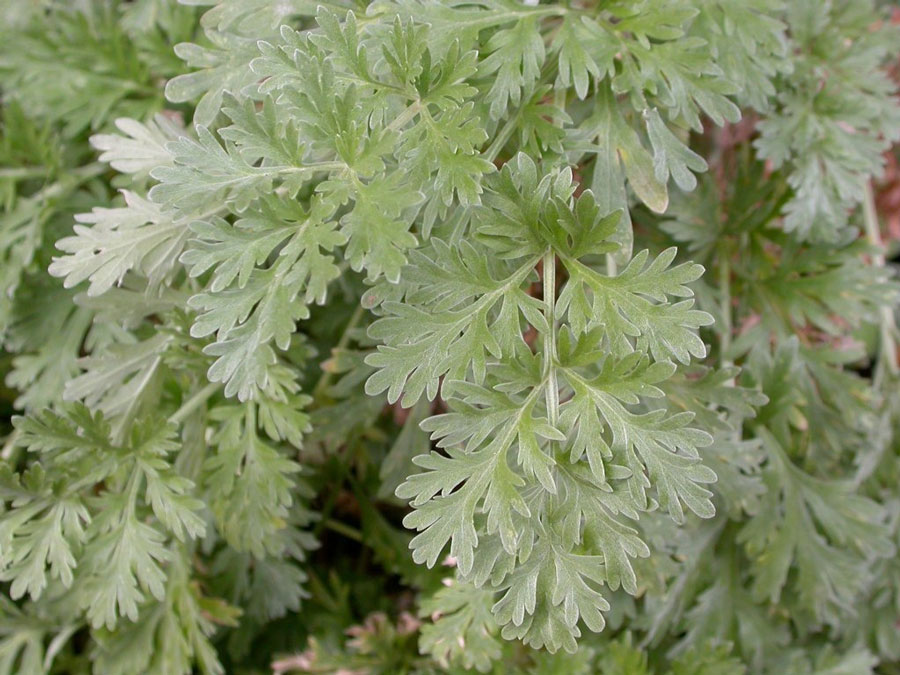
Photo by: fotopedia
-
Adams, Jad. Hideous Absinthe: A History of the Devil in a Bottle. University of Wisconsin Press, 2020.
-
Bone, Kerry, and Simon Mills. Principles and Practice of Phytotherapy: Modern Herbal Medicine. 2nd ed., Churchill Livingstone, 2013.
-
Duke, James A. Handbook of Medicinal Herbs. 2nd ed., CRC Press, 2002.
-
Lanier, Doris. Absinthe: The Cocaine of the Nineteenth Century. McFarland, 2013.
-
Lachenmeier, Dirk W., et al. “Absinthe—A Review.” Critical Reviews in Food Science and Nutrition, vol. 46, no. 5, 2006, pp. 365–377.
-
European Medicines Agency. Assessment Report on Artemisia absinthium L., Herba. Committee on Herbal Medicinal Products, 2009.
-
McGee, Harold. On Food and Cooking: The Science and Lore of the Kitchen. Scribner, 2004.