
Taste
Plant Parts Used
Therapeutic Properties
Ayurvedic Character
Cooling
Current Uses
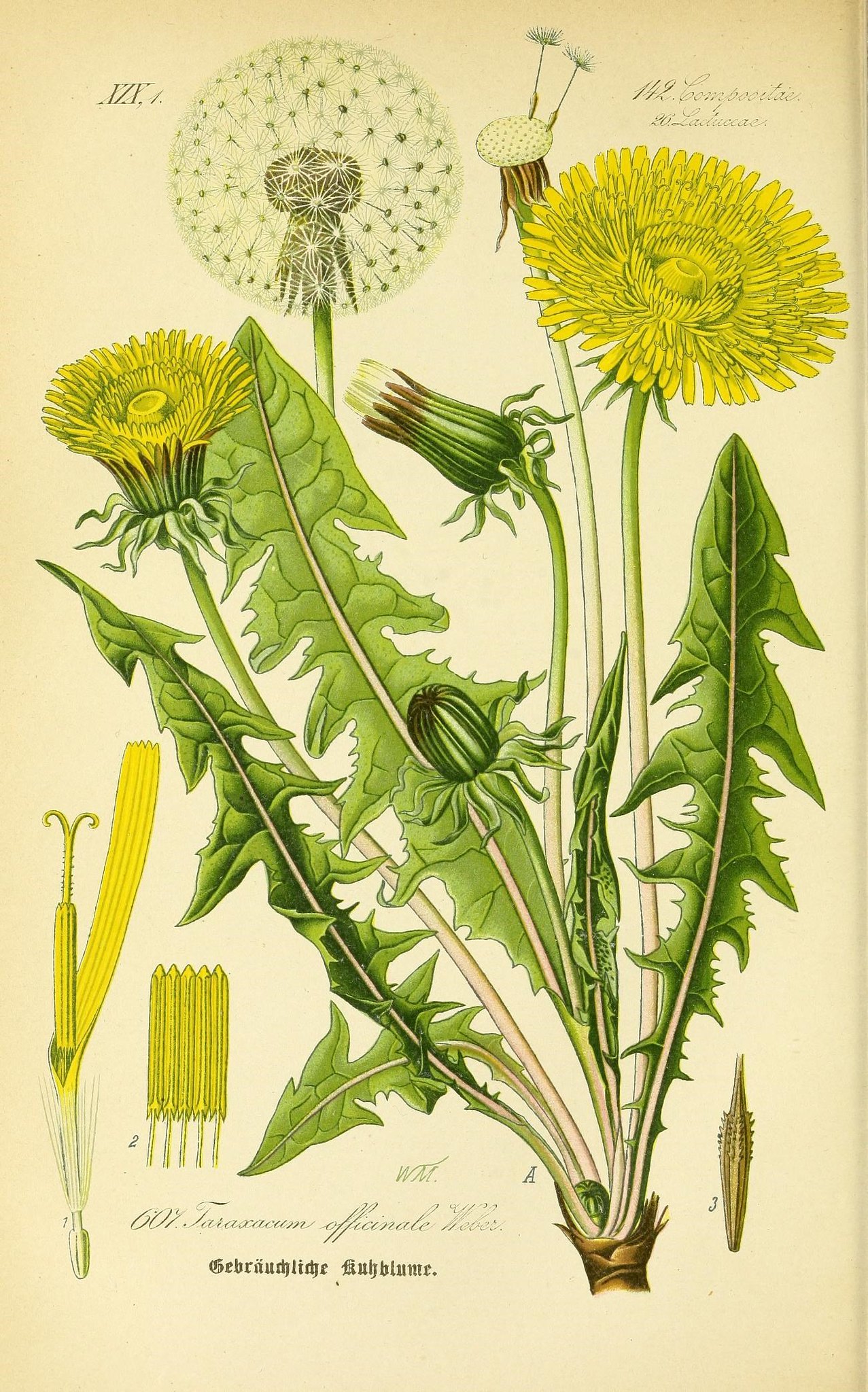
If you’ve ever written off dandelion as a lawn menace, you’re missing one of the most useful bitter herbs behind the bar. Both the root and leaf show up in bitters, amari, vermouth-style aperitifs, and zero-proof digestifs, prized for their clean bitterness and digestive edge. Roasted dandelion root is often used as a coffee analog, but in spirits it brings a grounding, toasty backbone that plays well with citrus peel, gentian, chicory, and warm spices.
For the curious drinker, dandelion is approachable bitterness. It doesn’t punch like gentian or cinchona, but it still signals “digestif” clearly and confidently. That makes it a smart choice when you want bitterness without intimidation, especially in sessionable amari or aperitivo-style builds.
Precautions
Dandelion is generally regarded as safe when used in food and beverage amounts. Individuals with allergies to plants in the Asteraceae family should use caution. Because it has mild diuretic activity, excessive use may not be appropriate for those on certain medications or with kidney-related concerns.
Substitutions
Dandelion root can be substituted with chicory root or burdock root, though chicory skews more roasted and burdock more earthy-sweet. Dandelion leaf bitterness can be approximated with artichoke leaf or mild gentian, adjusted carefully to avoid overpowering the blend.
Coffee substitute (roots).
History
Dandelion’s reputation as a medicinal plant stretches back well over a thousand years. It appears in medieval European herbals as a liver and digestive tonic, while Traditional Chinese Medicine has long used it (as Pu Gong Ying) for its cooling and cleansing qualities. Its French name, dent de lion (“lion’s tooth”), refers to the jagged leaves, not its potency—though herbalists might argue it earned both.
By the early modern period, dandelion was firmly established as a spring tonic across Europe, taken to “wake up” digestion after winter. That seasonal logic still resonates today in bitter liqueurs and aperitifs, which rely on the same physiological nudge: bitterness to prime appetite and digestion before or after a meal.
Footnotes
-
Hoffmann, David. Medical Herbalism: The Science and Practice of Herbal Medicine. Healing Arts Press, 2003.
-
Mills, Simon, and Kerry Bone. Principles and Practice of Phytotherapy: Modern Herbal Medicine. Churchill Livingstone, 2013.
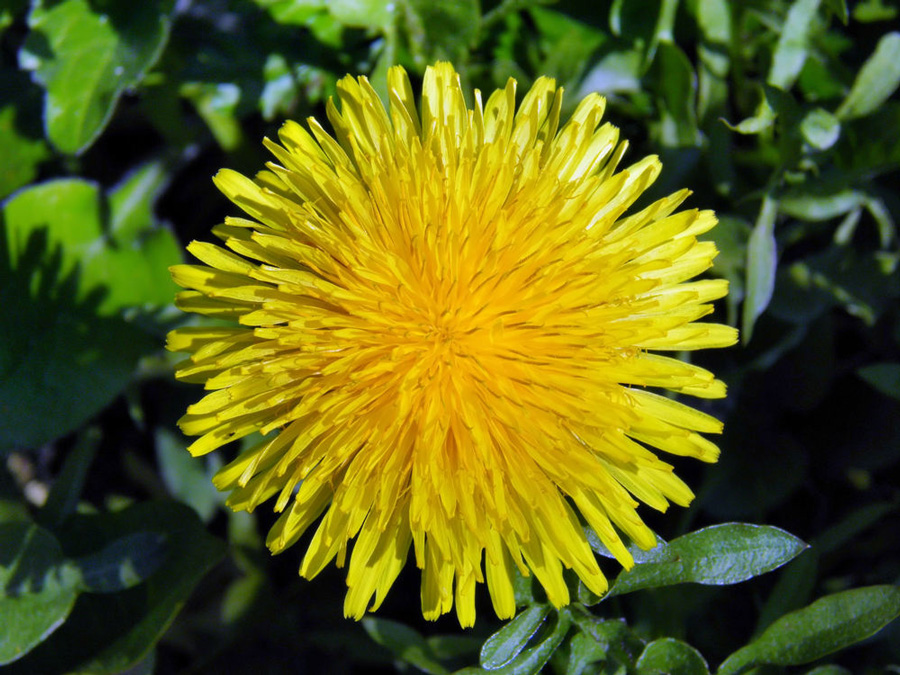
Photo by: http://www.fotocommunity.com/pc/pc/display/24479097