
Taste
Plant Parts Used
Therapeutic Properties
Ayurvedic Character
Cooling
Current Uses
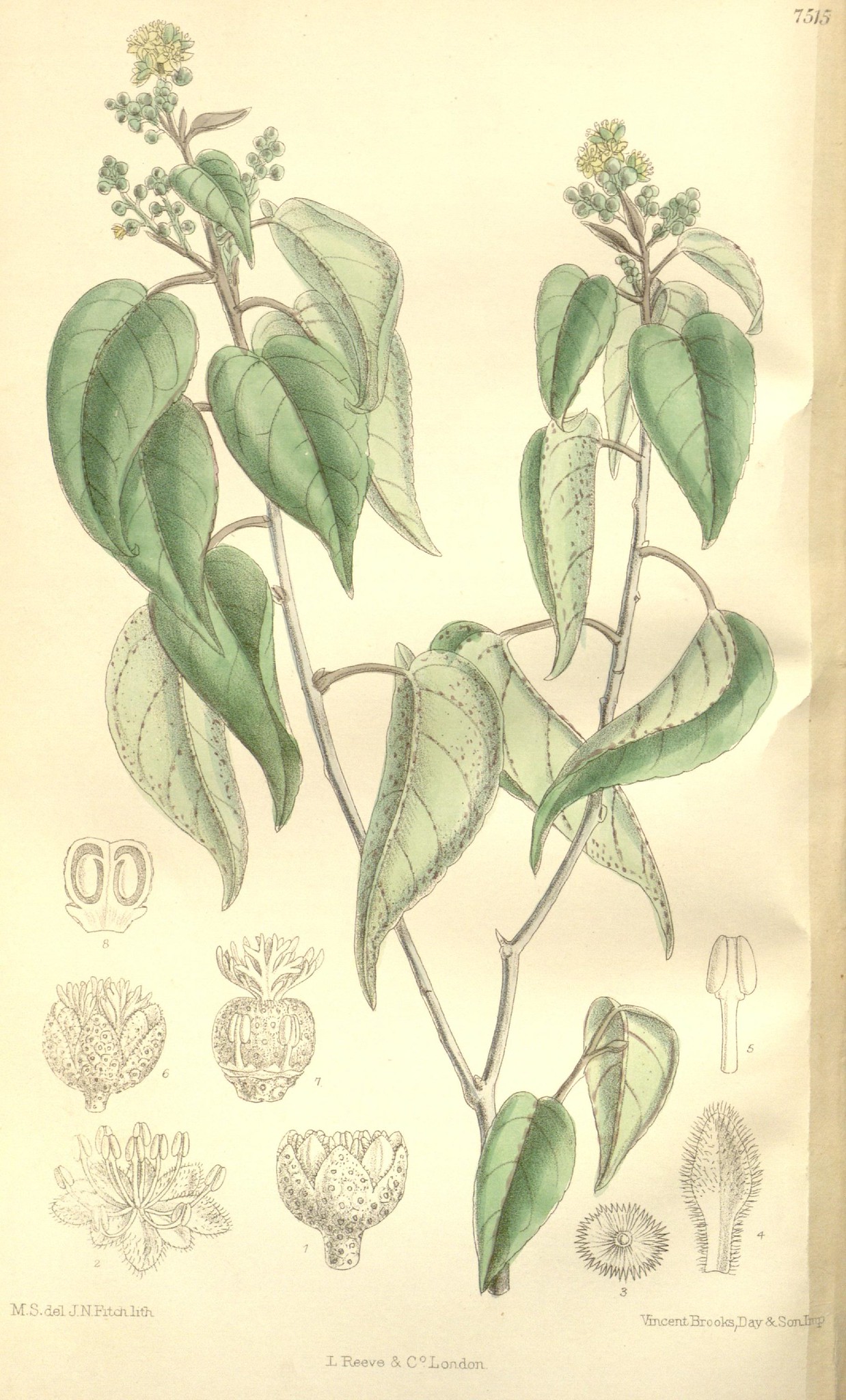
If you’ve ever sipped Campari, Aperol, or a truly old-school vermouth and detected a whisper of aromatic woodiness beneath the citrus and herbs—that might be cascarilla talking. The bark of Croton eluteria, a small Bahamian shrub, is still used today as a bittering and aromatic agent in liqueurs, vermouths, and tonics. It contributes a uniquely complex character—sharp yet warm, bitter yet delicately spicy—with notes reminiscent of cinnamon, nutmeg, and dried orange peel. Bartenders and amaro-makers value it for the way it bridges bright citrus and deep earthy notes, adding structure without overwhelming a blend.
Beyond the glass, cascarilla has maintained a minor role in perfumery and incense making, its resinous, balsamic scent evoking both forest and spice cabinet. You’ll also find it in some traditional bitters and cola formulas, where it lends depth and roundness to high-toned ingredients.
Precautions
Cascarilla bark is potent. Ingested in high amounts, its volatile oils can irritate the digestive tract. Use sparingly in tinctures or macerations, and avoid during pregnancy or when treating ulcers or gastric inflammation. Always source from reputable suppliers, as the bark’s potency and purity vary widely.
Substitutions
If you can’t source cascarilla, you might substitute a combination of gentian root (for bitterness) and a touch of cinnamon or nutmeg (for warmth and aroma). Quassia wood can mimic the bark’s bitter backbone, though it lacks cascarilla’s fragrant complexity.
History
Origins
Cascarilla’s story starts in the Caribbean, particularly in the Bahamas, where it grows wild and fragrant in the limestone soil. The bark first entered European trade in the 17th century, prized by Spanish and British apothecaries for its aromatic bitterness and reputed digestive and antipyretic powers. It was once a star in “stomachic” tonics—remedies designed to stimulate the appetite and soothe indigestion.
By the late 19th century, cascarilla had found its way into the world of spirits, joining other exotic botanicals shipped across oceans to flavor vermouths and bitters. Italian producers prized its balancing role, and it became a signature component in early amari and aperitivi. Even as gentian took center stage, cascarilla lingered behind the scenes, shaping the palate of drinkers who never learned its name.
Footnotes
-
Grieve, M. A Modern Herbal. Dover Publications, 1971.
-
Duke, J. A. Handbook of Medicinal Herbs. CRC Press, 2002.
-
“Cascarilla Bark.” American Journal of Pharmacy, vol. 66, 1894, pp. 298–301.
-
Perrenoud, L. “Bitters and Bark: The Caribbean’s Contribution to European Aperitifs.” Journal of Ethnopharmacology, vol. 124, no. 3, 2009, pp. 421–428.