
Taste
Plant Parts Used
Therapeutic Properties
Ayurvedic Character
Heating
Current Uses
Thyme is one of those plants that easily earns its keep at the bar and in the kitchen. Its aroma is warm, savory, and slightly peppery, which means it plays well with citrus, honey, and darker sugars. In cocktails and liqueurs, you will usually encounter thyme as a fresh garnish, a syrup infusion, or a tincture that adds a subtle Mediterranean backbone. Gin, aquavit, and herbal liqueurs tend to benefit most from thyme’s resinous lift. It can sharpen bright drinks like spritzes while also adding complexity to heavier spirits like aged rum or brandy.
Thyme also has a long reputation as a functional herb. Its essential oils, particularly thymol and carvacrol, contribute antimicrobial and aromatic properties that herbalists have historically valued for respiratory and digestive support. In beverage form, thyme infusions and syrups are often paired with lemon or honey to produce drinks that feel warming, clarifying, and gently stimulating to the palate and body.
Plant Life Cycle
Hardiness Zone
Used in Spirits
Precautions
Thyme is generally considered safe in culinary and beverage quantities. Concentrated preparations, however, contain potent volatile oils that may irritate mucous membranes if consumed excessively.
Large medicinal doses of thyme essential oil should be avoided during pregnancy due to its potential uterine-stimulating effects. Individuals with known sensitivities to plants in the mint family may also experience mild allergic reactions. As with most aromatic herbs, moderation is the practical rule when working with concentrated extracts.
Substitutions
If thyme is unavailable, you can reach for other herbs that provide a similar savory, aromatic character:
Oregano works when you want a stronger, more peppery herbaceous note.
Marjoram provides a milder and slightly sweeter alternative.
Savory, particularly winter savory, offers a sharper herbal bitterness.
Rosemary can substitute in small amounts when you want a more resinous and pine-like aroma.
History
Origins
Thyme has been tied to vigor, courage, and purification for thousands of years. The plant was well known to the ancient Mediterranean world. In ancient Greece, thyme was burned as incense in temples and added to bathwater because it was believed to impart strength and vitality. The Greek word thýmos refers to spirit or courage, which reflects how strongly the herb was associated with bravery and energy in classical culture.¹
The Romans spread thyme widely throughout Europe as they expanded their empire. They used it both medicinally and as a culinary herb, particularly in cheeses and preserved foods. During the Middle Ages, thyme carried symbolic value as well as practical uses. It was commonly embroidered on scarves given to knights as a token of courage, and herbalists recommended it for respiratory ailments and digestive complaints. By the early modern period, thyme had become a staple of European herb gardens and an aromatic component in early herbal liqueurs and fortified wines.²
Footnotes
-
Dioscorides, Pedanius. De Materia Medica. Translated by Lily Y. Beck, Olms-Weidmann, 2005.
-
Grieve, M. A Modern Herbal. Dover Publications, 1971.
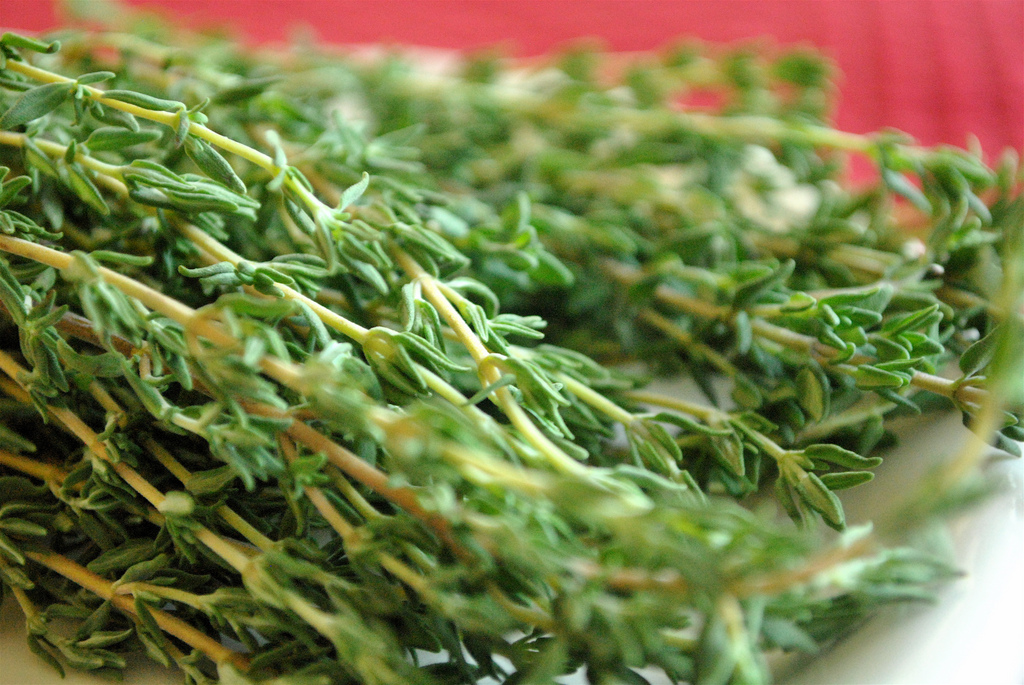
Photo by: flickr